
Famous historical characters’ likenesses have been immortalized in sculptures, portraits, and paintings created while they were still living, but it’s possible that these works of art were inaccurate. Those who commissioned the works of art in certain cases instructed the painters to flatter the subject. However, thanks to current technology, we can now see what historical personalities looked like in real life. Continue reading to learn what some renowned historical personalities looked like in real life!
King Tut
During Egypt’s New Kingdom era, the Egyptian pharaoh King Tutankhamun reigned from 1332 to 1323 BC. Howard Carter, a British archaeologist, found King Tut’s tomb in 1922 after it had been sealed for nearly 3,200 years. The tomb was found to be completely intact, with treasures and relics destined to accompany the young pharaoh into the afterlife. King Tut only reigned for about ten years before passing away, and experts only learned what caused the young pharaoh’s death after learning his true appearance.
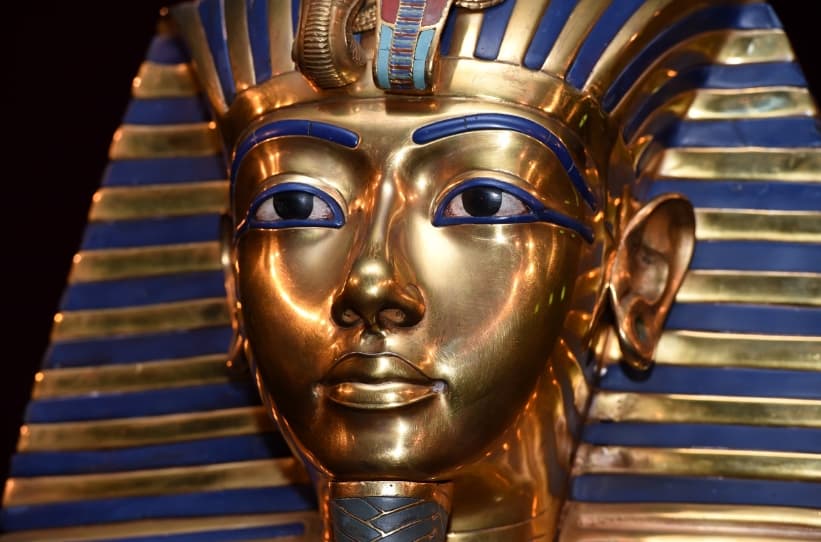
King Tut
What King Tut Really Looked Like
Tut’s mummy was subjected to DNA tests, which revealed that he had a number of health issues that contributed to his death. Tut, despite his height, was feeble, had a bone condition, had multiple attacks of malaria, and died with an infected fractured leg. There’s also evidence that he had a club foot, which was a common side effect of inbreeding at the time (his mother and father were siblings). These insights could explain several parts of King Tut’s existence, as he is the only pharaoh depicted doing everything sitting down, even archery.
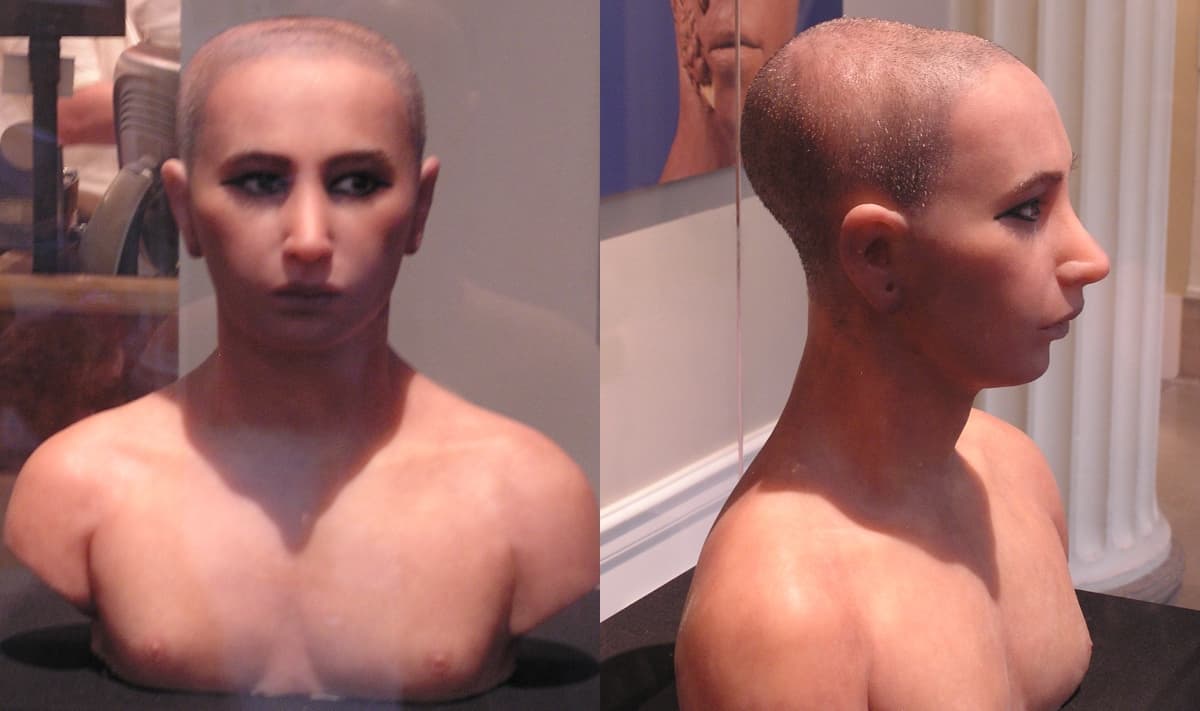
What King Tut Really Looked Like
Emperor Nero
Nero, the last of the Julio-Claudian dynasty, became Emperor of Rome when he was just 17 years old. He assassinated his mother in his sixth year as Emperor, and he soon became more involved in politics. His public appearances as an actor, charioteer, poet, and musician, on the other hand, were widely regarded as undermining his authority. After he raised taxes to support costly private and public works for his kingdom, the middle and upper classes despised him. Artists were able to recreate the Emperor’s appearance using modern technology.
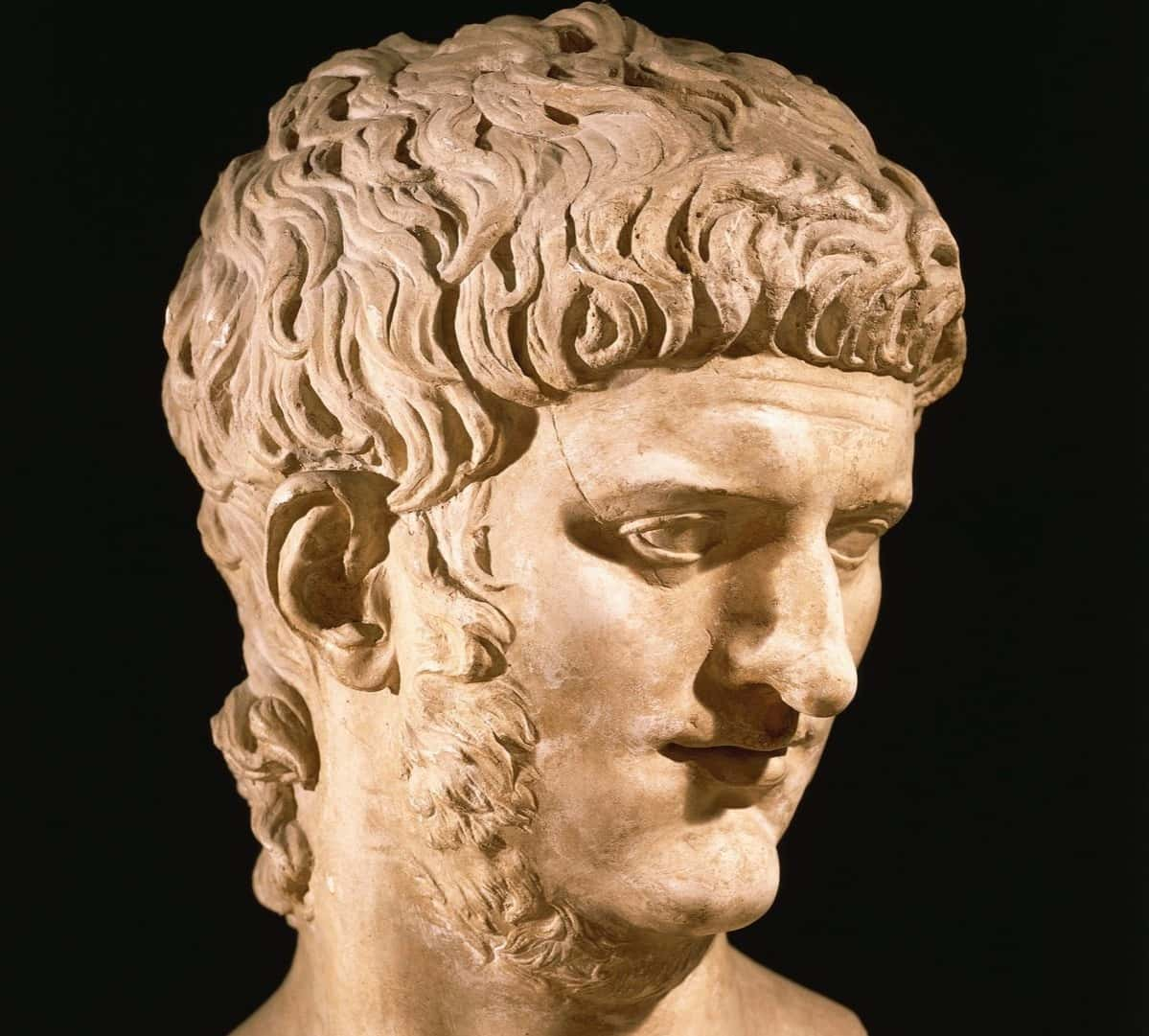
Emperor Nero
What Nero Really Looked Like
Based on descriptions, paintings, and busts of Nero, Spanish artists created a lifelike portrayal of the Roman Emperor in 2019. They wonderfully captured Nero’s features, particularly his chinstrap and arrogant grin. A fire engulfed Rome in 64 A.D., but Nero dressed up and sang on the top of the palace. Nero killed himself before others could put him to death, exclaiming, “What an artist dies in me!”
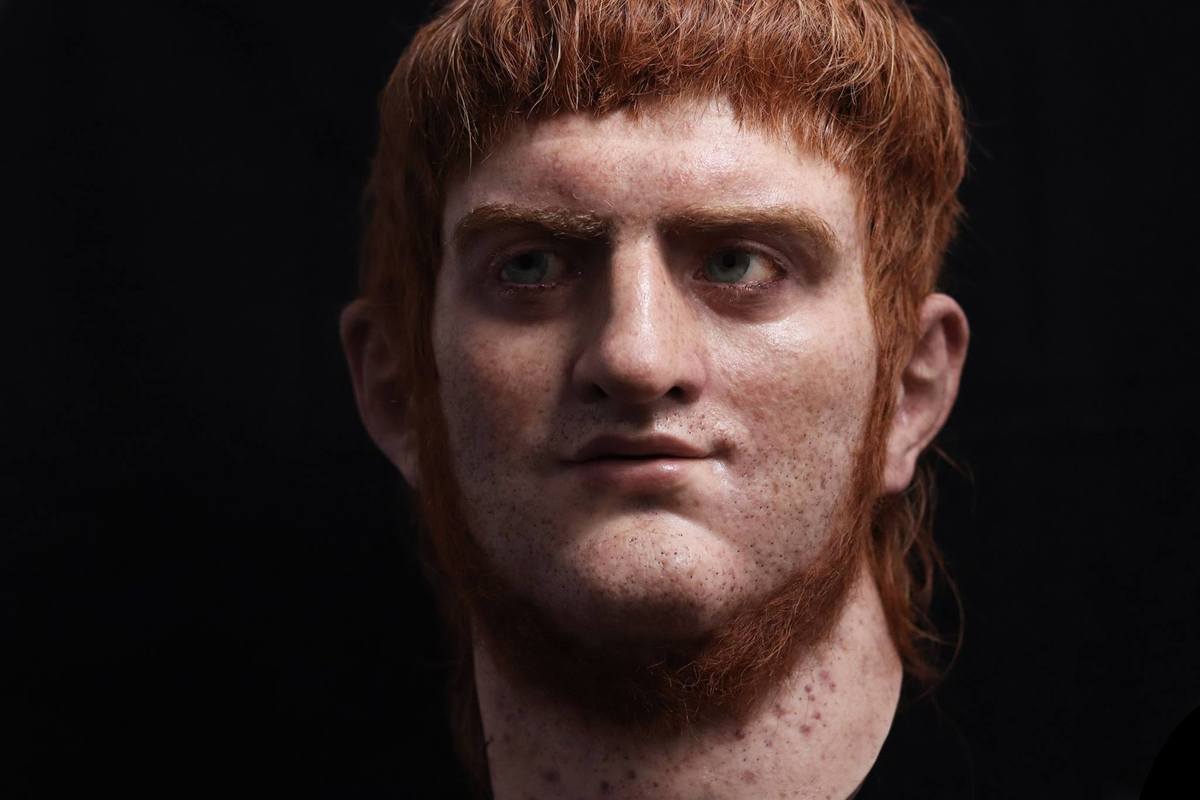
What Nero Really Looked Like
Nefertiti
The statue of Egyptian queen Nefertiti, the Great Royal Wife of Akhenaten, is made of limestone and stucco and is thought to have been sculpted by Thutmose in Amarna, Egypt, in 1345 B.C. Thutmose’s workshop in 1912 was where the bust was discovered. The Egyptian queen appeared to be attractive and had well-defined facial features, as seen by the sculpture. Experts were able to determine Nefertiti’s appearance in person using 3D imagery.
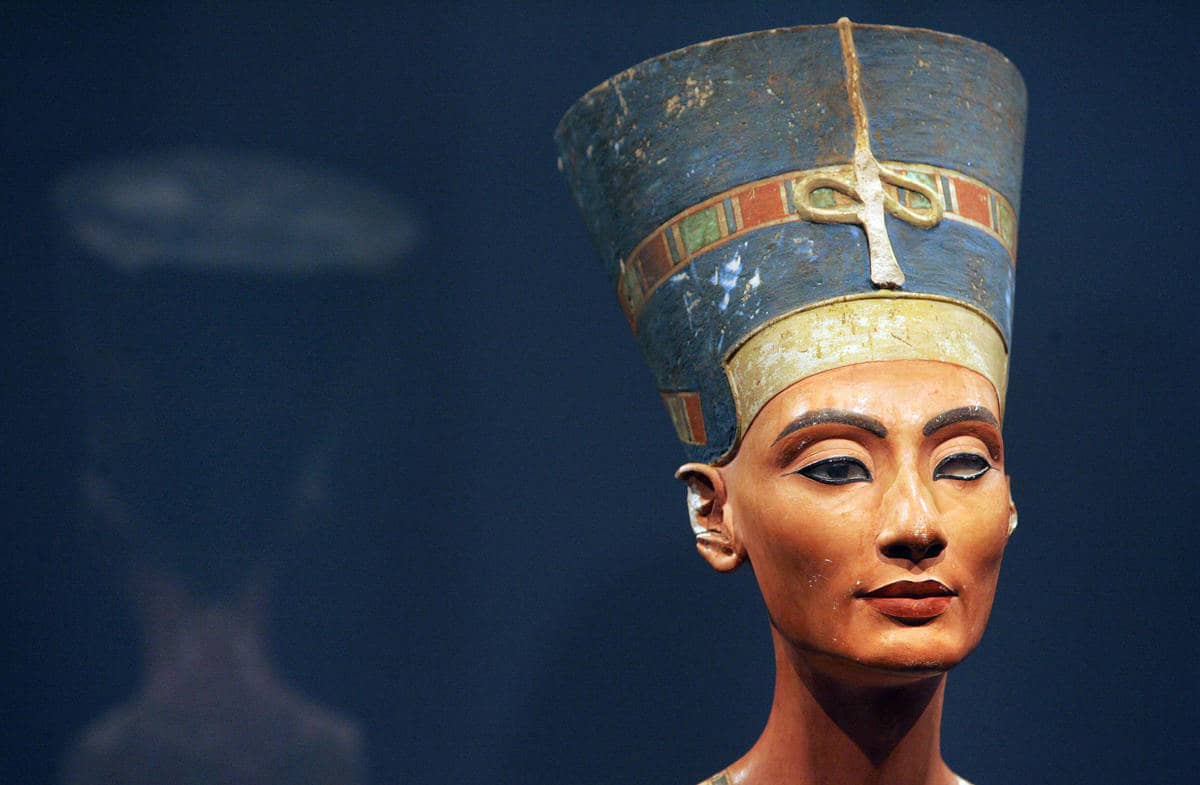
Nefertiti
What Nefertiti Really Looked Like
Expedition Unknown, a Travel Channel show, used 3D imaging technology to scan and digitally map the facial structure of “The Younger Lady,” a mummy thought to be Nefertiti, in 2018. However, the mummy’s exact identity is still a point of contention. After scanning the mummy’s face, paleoartist Elisabeth Daynes spent 500 hours recreating the visage on the bust, which was based on historical pictures of Nefertiti. Although it appears that this effort has confirmed that “The Younger Lady” was truly Nefertiti, there was a lot of debate about the color of the Egyptian queen’s complexion when the photograph was released.
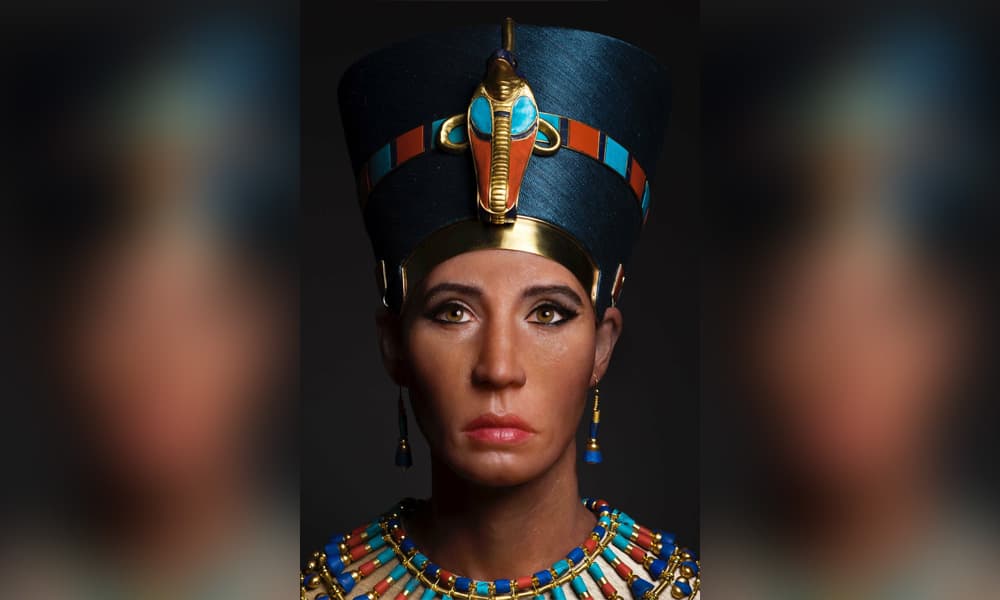
What Nefertiti Really Looked Like
Robert The Bruce
Robert the Bruce, also known as Robert I, was a Scots monarch who ruled from 1306 until 1329. After waging a successful guerilla campaign against the English, he was able to obtain Scotland’s independence from England. He won the Battle of Bannockburn in June 1314, but the vanquished Edward II refused to relinquish control of Scotland. The earls, barons, and people of Scotland responded by writing to Pope John XXII, declaring Robert I to be the lawful monarch.
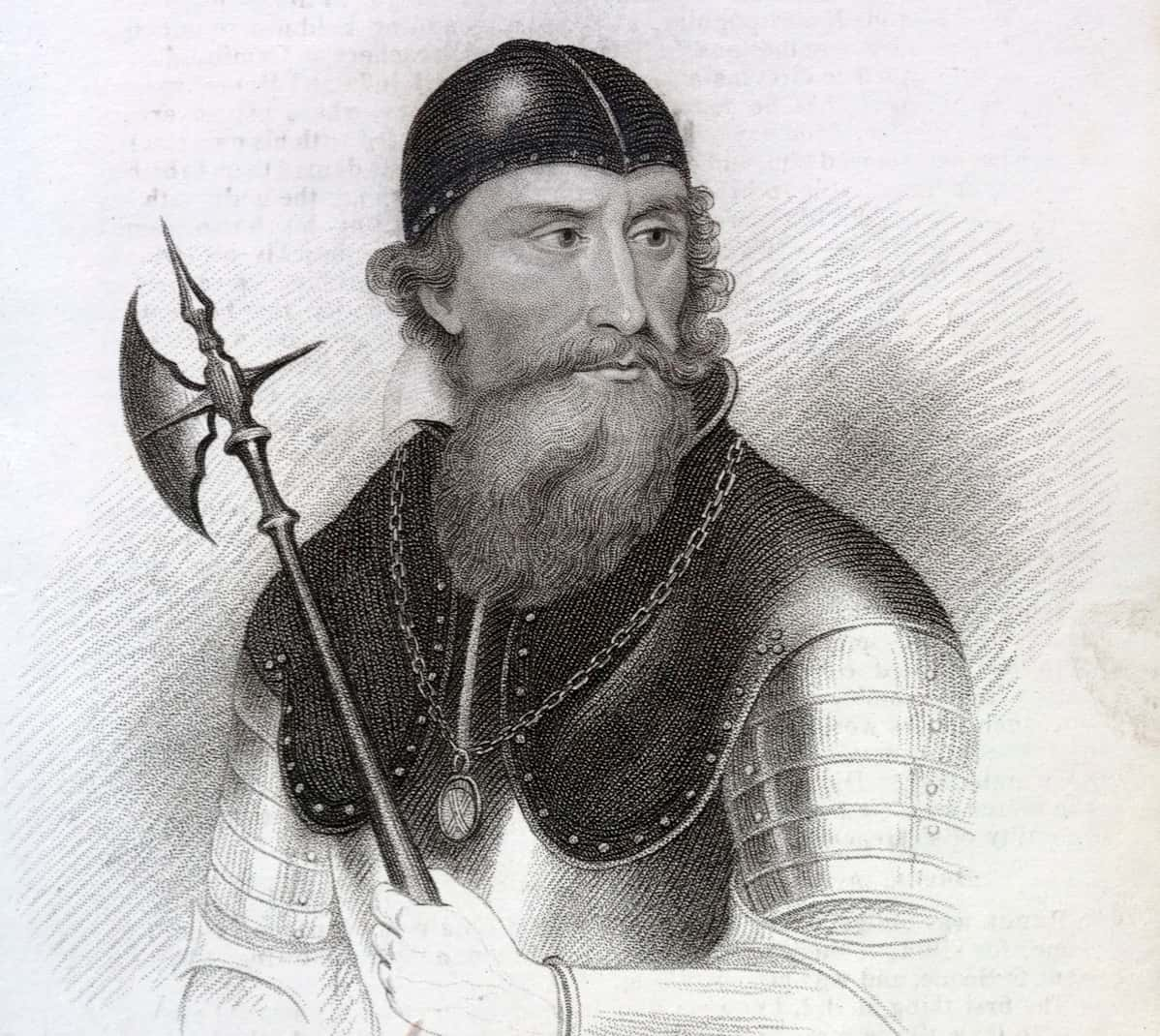
Robert The Bruce
What Robert The Bruce Really Looked Like
Despite the fact that no modern works of art represent Robert the Bruce, researchers at the University of Glasgow used casts from the king of Scots’ skull. Artists in the past, on the other hand, relied solely on word of mouth and their imaginations to create monuments and images of Robert I. In order to create his likeness, researchers used Face Lab technology as well as legal and archaeological facts. Robert the Bruce was proclaimed king of independent Scotland by the Pope in 1324, but he died five years later.
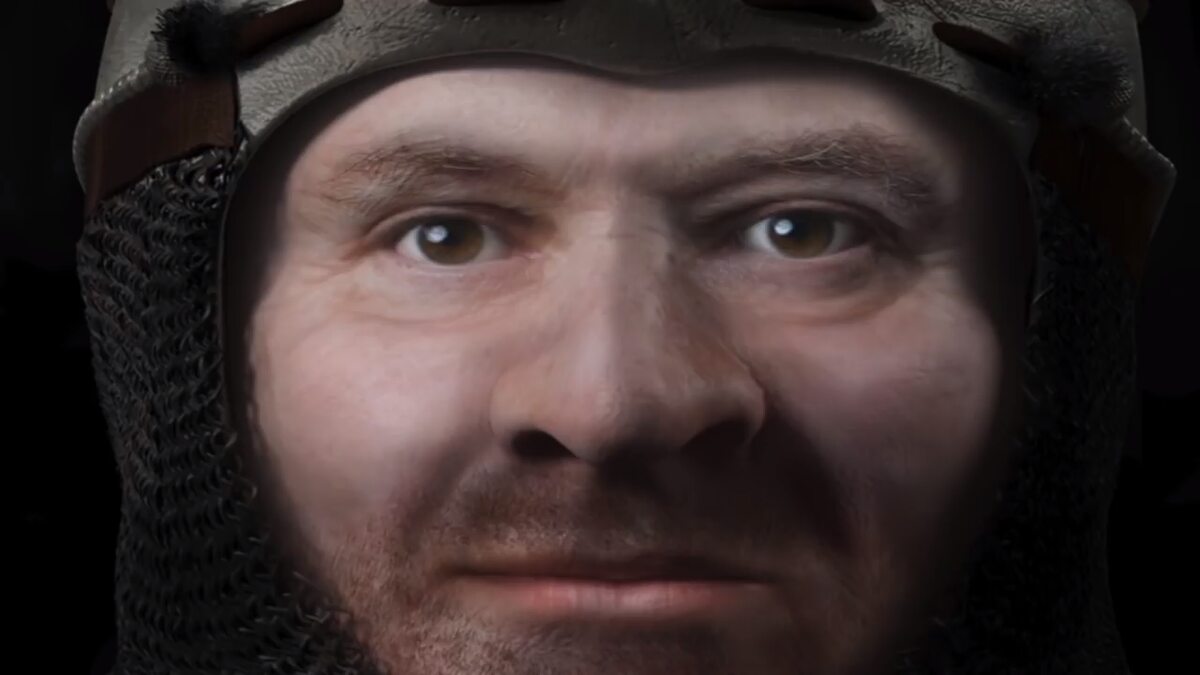
What Robert The Bruce Really Looked Like
Julius Caesar
Julius Caesar was a Roman general and statesman who was largely responsible for the expansion of the Roman Empire. He attacked Britain after crossing the Rhine River and the English Channel. Caesar re-entered Roman Italy from Gaul by weapons after refusing to stand down from command to escape incarceration, sparking a civil war. Many sculptures of him have been made, including this one, but in 2018, a realistic representation of the military genius’s head was created.
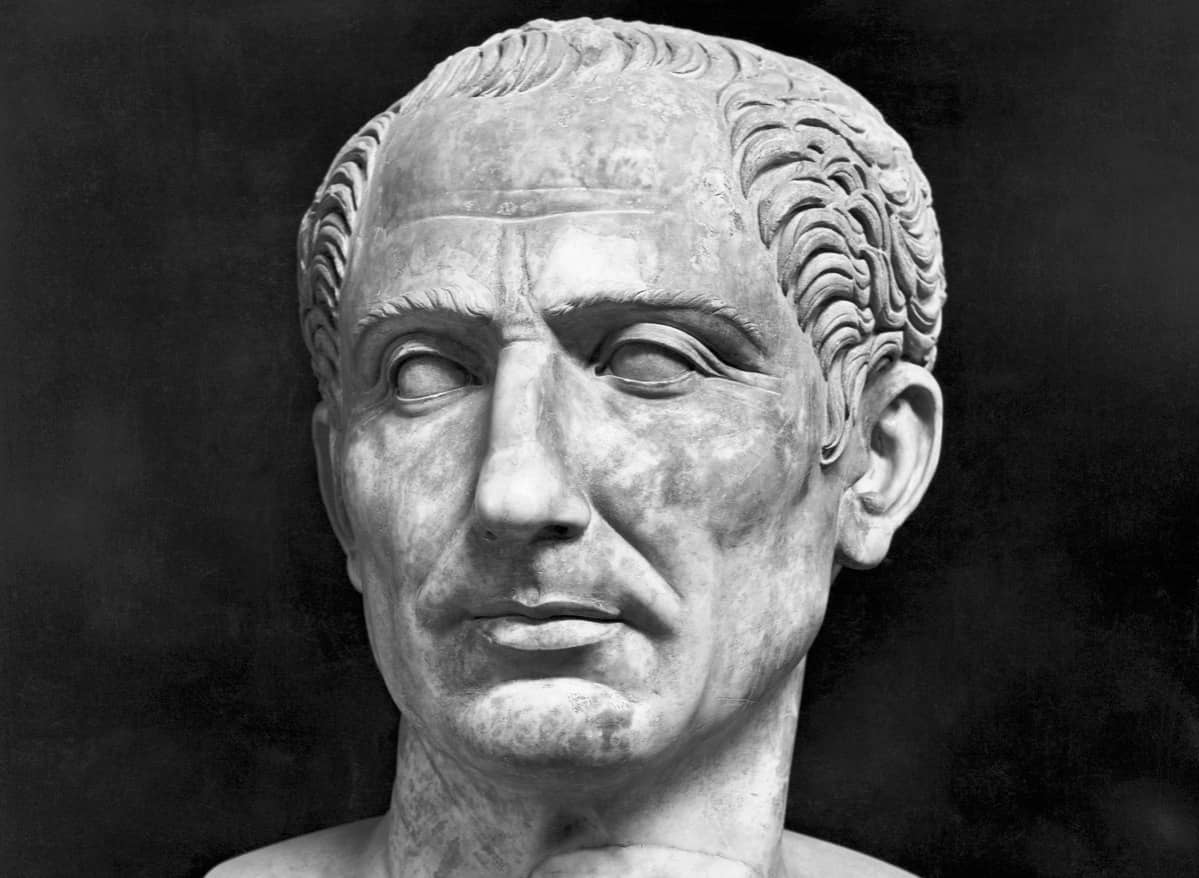
Julius Caesar
What Julius Caesar Really Looked Like
The National Museum of Antiquities in Leiden has a lifelike bust of Julius Caesar. The results of scanning one of Caesar’s marble portraits with 3D technology were used to produce this 3D reconstruction. Caesar began ruling as a dictator after winning the Roman civil war, instituting political and social changes, and even awarding citizenship to individuals living in the Roman Empire’s outermost reaches. Caesar’s reign did not sit well with the Senate’s aristocratic members, therefore he was assassinated in 44 B.C.
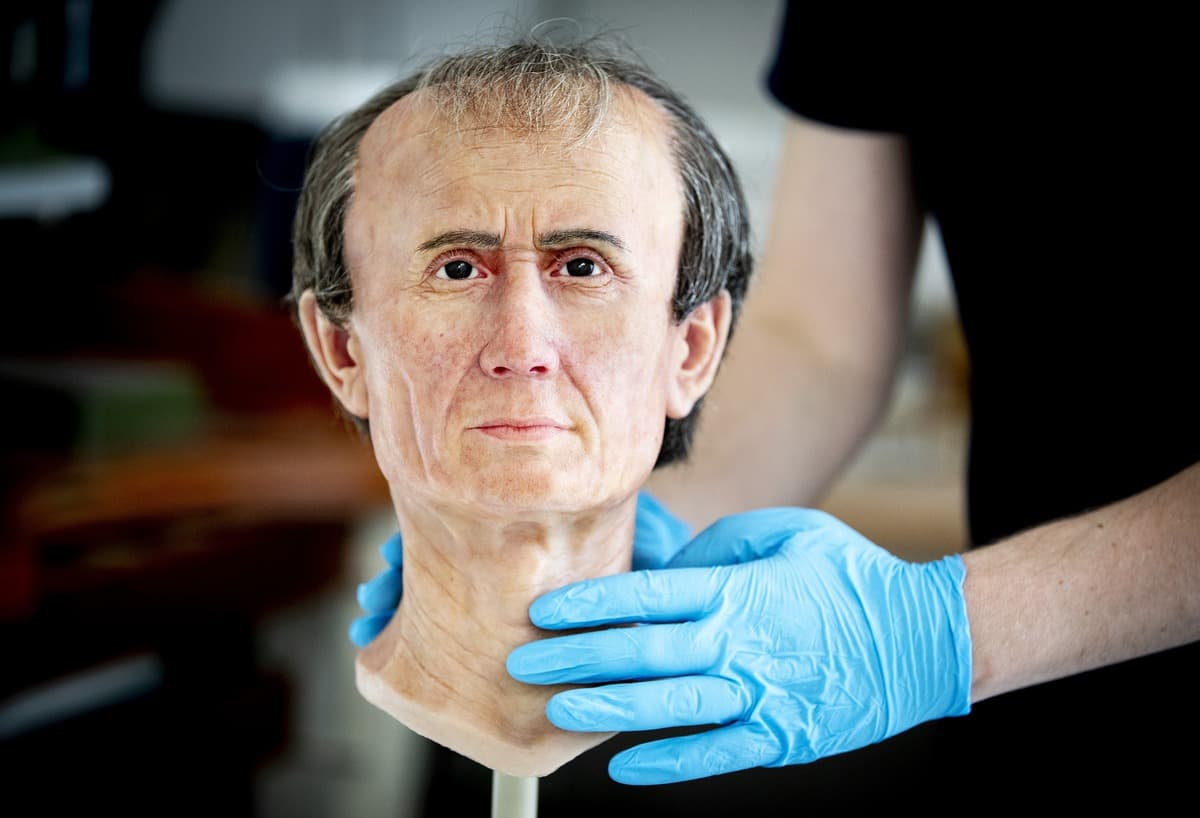
What Julius Caesar Really Looked Like
Cleopatra
Cleopatra ruled Egypt for over three decades. After their father died, she and her 10-year-old brother Ptolemy XIII ascended the throne at the age of 18. Cleopatra was driven out of Egypt by her brother’s counselors in 49 B.C., but with Julius Caesar’s help, she was restored a few years later alongside her brother, Ptolemy XIV. Ptolemy Caesar, who is thought to be Caesar’s son, was born to Cleopatra. Julius Caesar was assassinated in 44 B.C., and Ptolemy XIV died soon after, leaving Cleopatra to rule Egypt with her son.
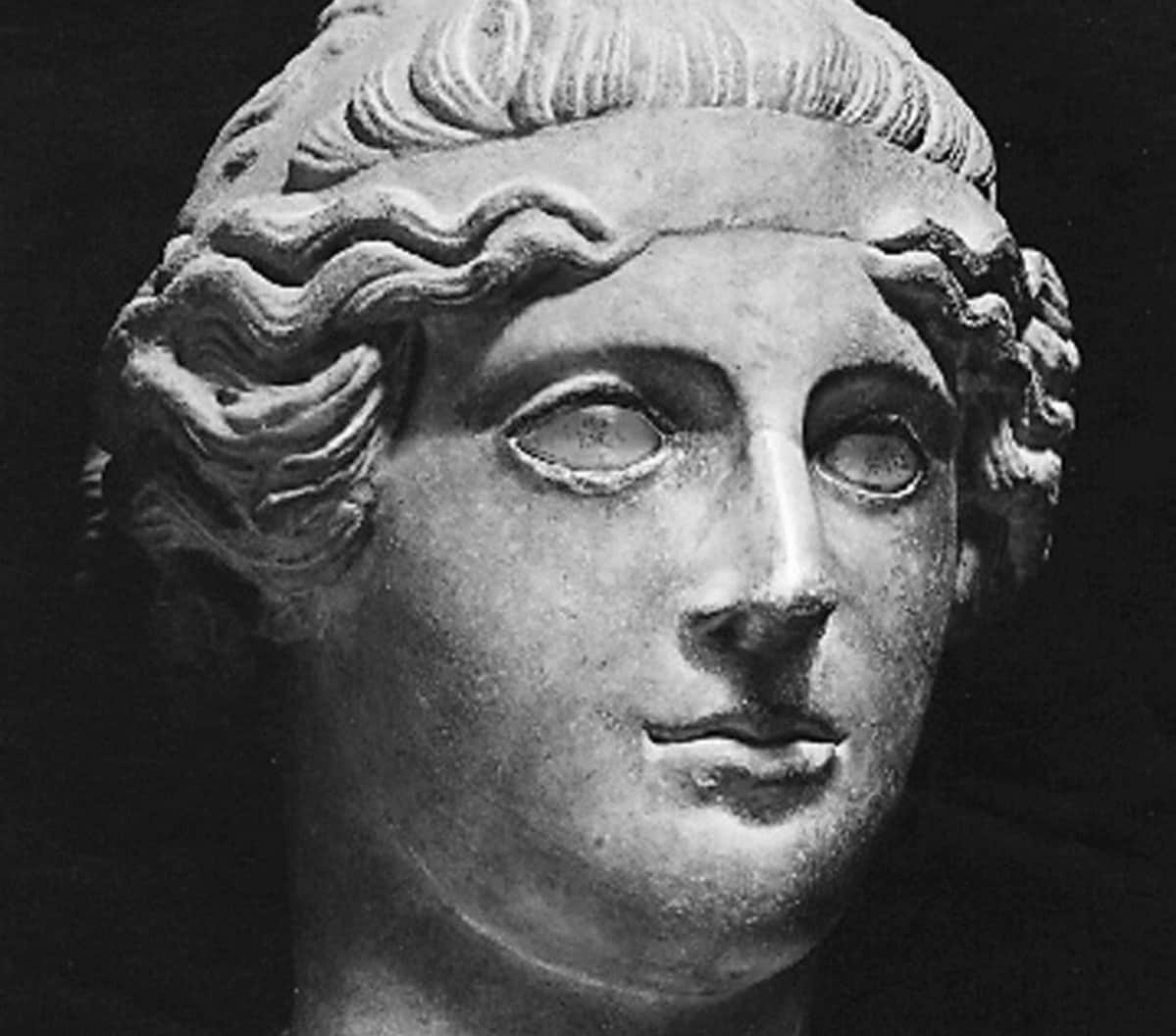
Cleopatra
What Cleopatra Really Looked Like
When Cleopatra was co-regent, she became the dominating ruler because she could speak various languages and was well-educated. She was also regarded as an exotic beauty with seducing abilities who was recognized for her alliances and romantic relationships with the rulers of neighboring civilizations. Cleopatra’s true appearance was determined by 3D artists using existing sculptures and portraiture. Some viewers who saw Elizabeth Taylor play Cleopatra in the film may be surprised by the Egyptian queen’s manly features and large nose.
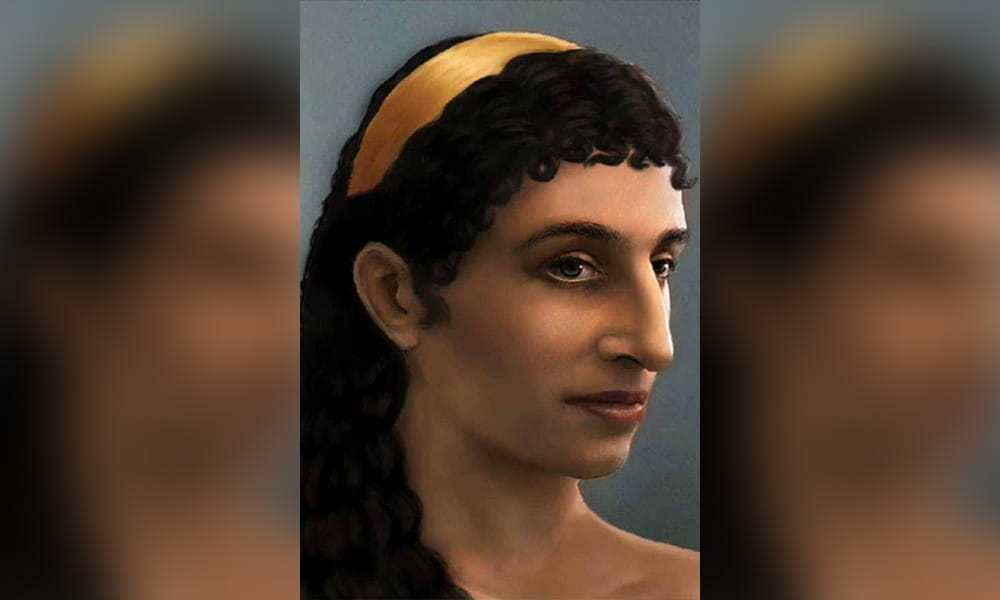
What Cleopatra Really Looked Like
Queen Elizabeth I
From 1558 until 1603 Queen Elizabeth I ruled over Ireland and England. Her father was King Henry VIII, and her mother was Anne Boleyn, Henry VIII’s second wife. When Anne died, the marriage was dissolved, and Elizabeth was considered illegitimate. As a result, Elizabeth had to wait a few years before ascending to the throne, which she did in 1558. Although there are many paintings depicting Elizabeth’s appearance, Mat Collishaw, a mixed media artist, took things to a new level in 2018.
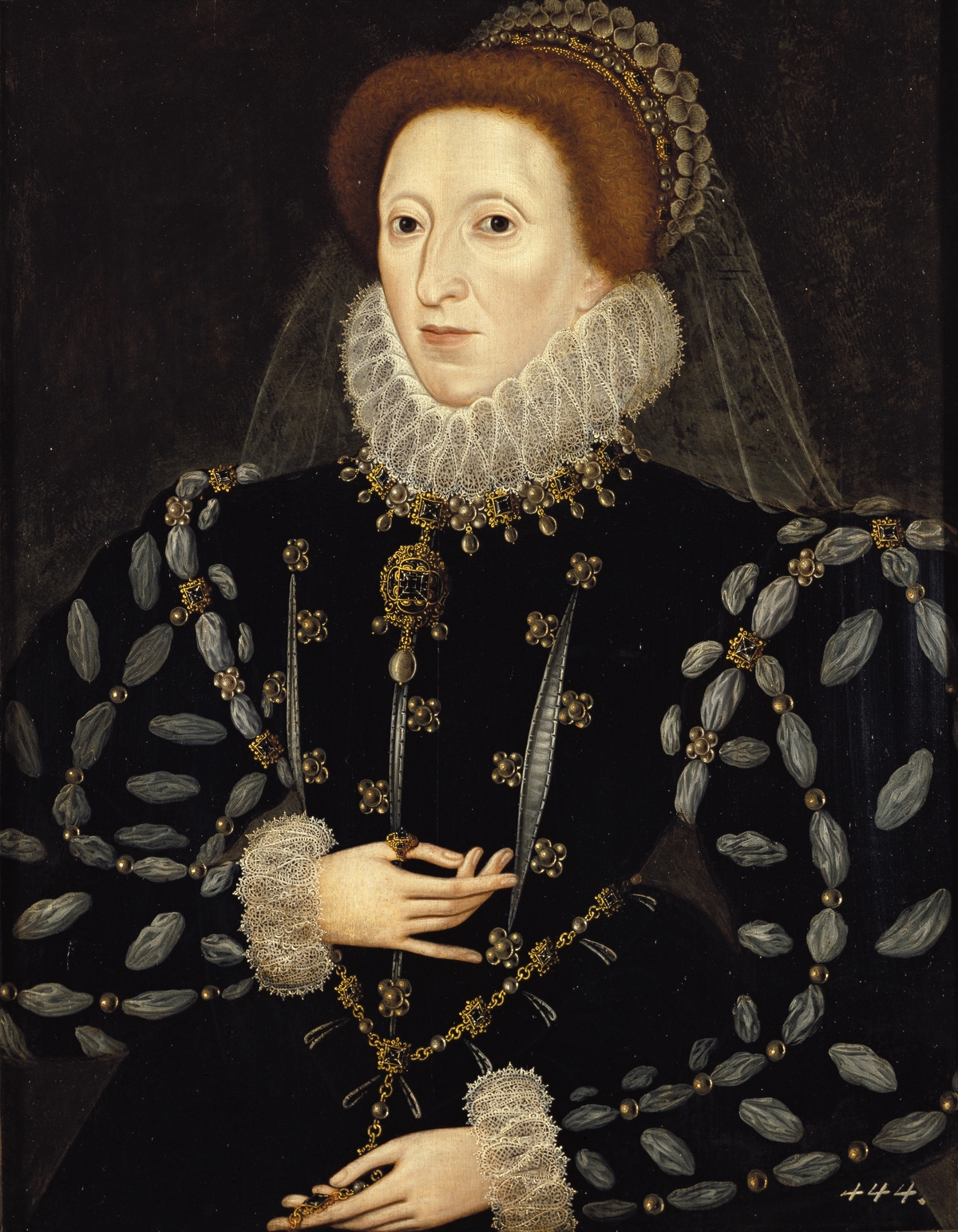
Queen Elizabeth I
What Queen Elizabeth I Really Looked Like
Collishaw designed a hyper-realistic animatronic mask with eyes that follow you around and a mouth that expands as if it’s going to say something. The mask has a mirror attached to it, and it is presently placed across the Queen’s House Armada Portrait. The iconic Armada image depicts a young Elizabeth, but she was actually 55 years old when it was drawn, and the mask depicts the Virgin Queen as she could have appeared at the time. Some may argue that Queen Elizabeth’s true face resembles that of her pictures.
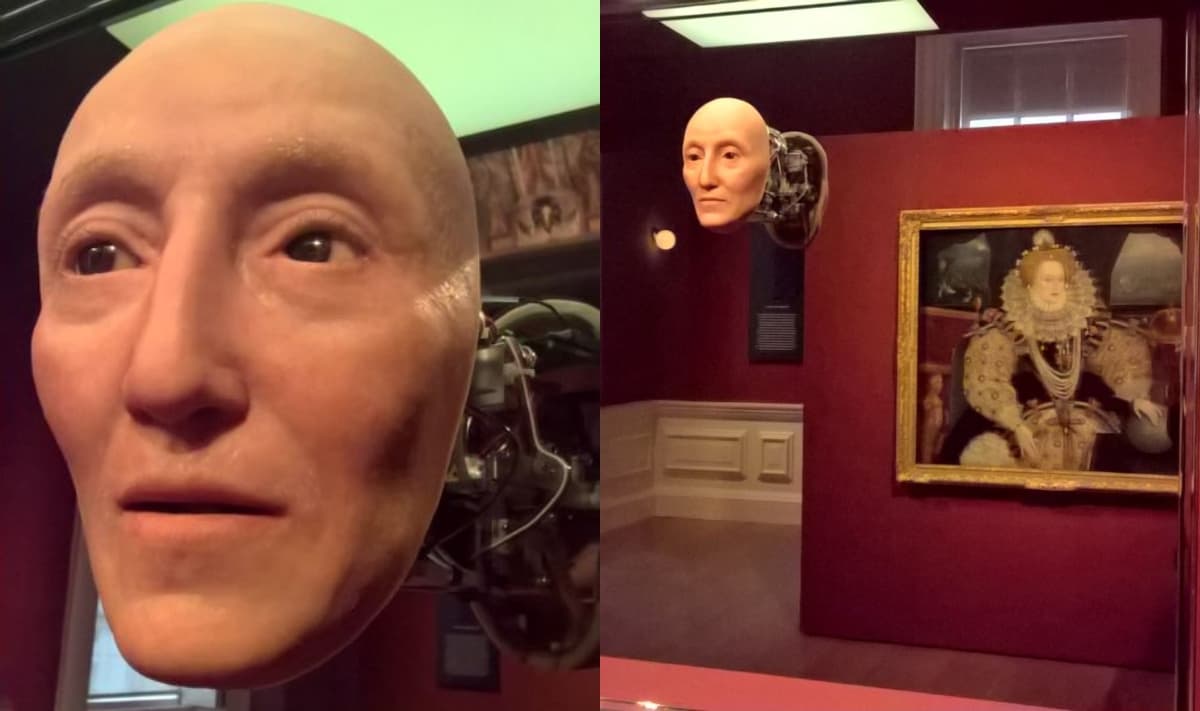
What Queen Elizabeth I Really Looked Like
William Shakespeare
There is still much discussion about what William Shakespeare actually looked like, though many historians and experts think that this engraving by Martin Droeshout is the most realistic. Despite his receding hairline, the man who wrote literary classics like Hamlet and Romeo and Juliet had to have had some facial hair. Professor Hildegard Hammerschmidt-Hummel discovered William Shakespeare’s death mask in London in 1975. Death masks were created in the 1800s by plastering or waxing a deceased person’s face. The fact that the mask may not be that of Shakespeare is still a point of contention, but someone chose to make it look like the real thing.
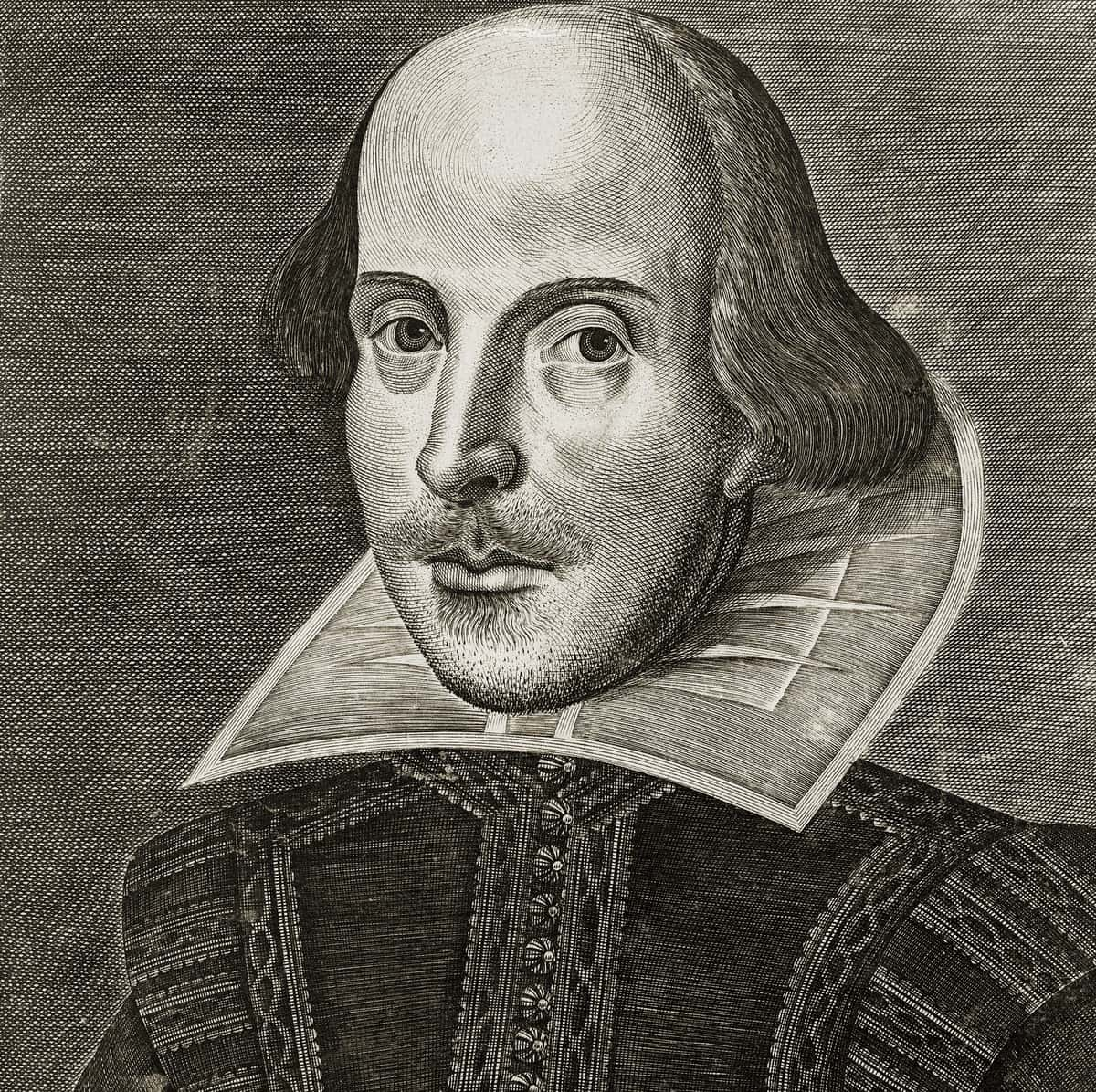
William Shakespeare
What William Shakespeare Really Looked Like
Dr. Caroline Wilkinson of Dundee University utilized Shakespeare’s putative death mask to create a depiction of his face in 2010. Wilkinson developed this melancholy representation by mapping every element of Shakespeare’s face using 3D imaging on the mask. Most people would agree that Wilkinson’s image is comparable to other interpretations, with the exception that Shakespeare’s complete head isn’t seen. On April 23, 1616, the literary prodigy died at the age of 52.
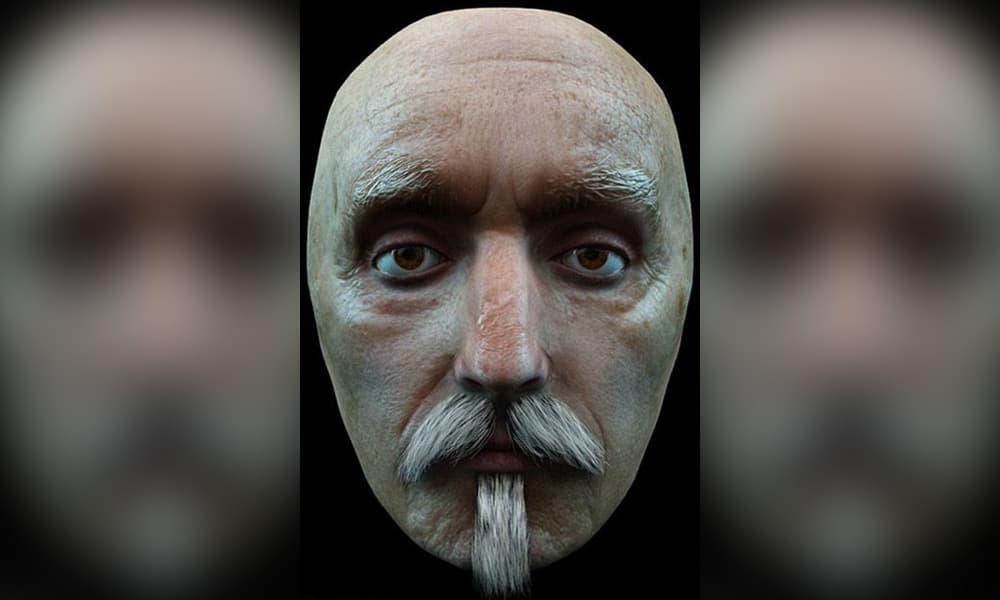
What William Shakespeare Really Looked Like
George Washington
From 1789 to 1797, George Washington served as the first President of the United States. After leading the Patriot forces to victory in the War for Independence, Washington was unanimously elected president of the 1787 Constitutional Convention and played a key role in the formation of a new federal government. The Founding Father is a highly regarded historical person in the United States, and his visage can be found on a dollar bill, a quarter, and various government buildings and museums across the country. People are familiar with his face, but it was only later that the true nature of his appearance was revealed.
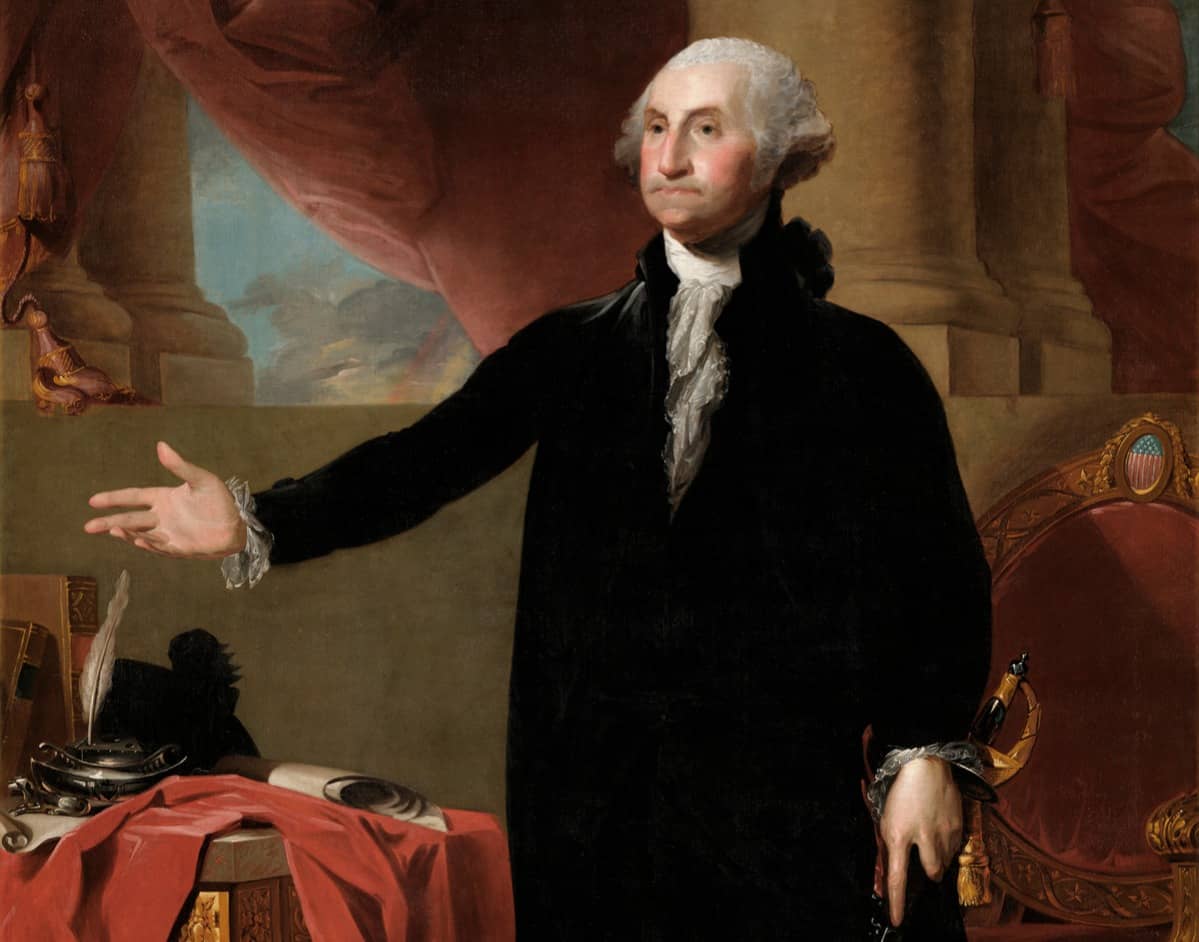
George Washington
What George Washington Really Looked Like
To create this computer-generated image of Washington, researchers compared painted portraits to precise drawings in order to illustrate that many of his portraits are extremely authentic. Washington’s full head of hair (which was real and white in his day) and his five o’clock shadow are seen in this shot. Washington died on December 14, 1799, at the age of 67, following complications caused by a sore throat.
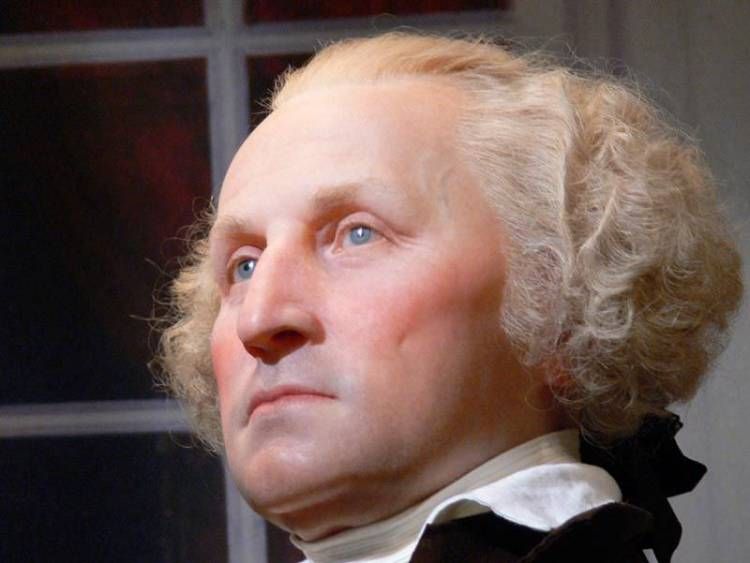
What George Washington Really Looked Like
Mary, Queen of Scots
Mary Stuart, also known as Mary, Queen of Scots, ruled Scotland from 1542 to 1567. Unfortunately, her father died only a few days after she was born, leaving her as queen for only six days. Mary’s mother moved her to France so she might grow up in the French court, but she returned to Scotland in 1559. Do you believe this painting accurately depicts her appearance at the time?
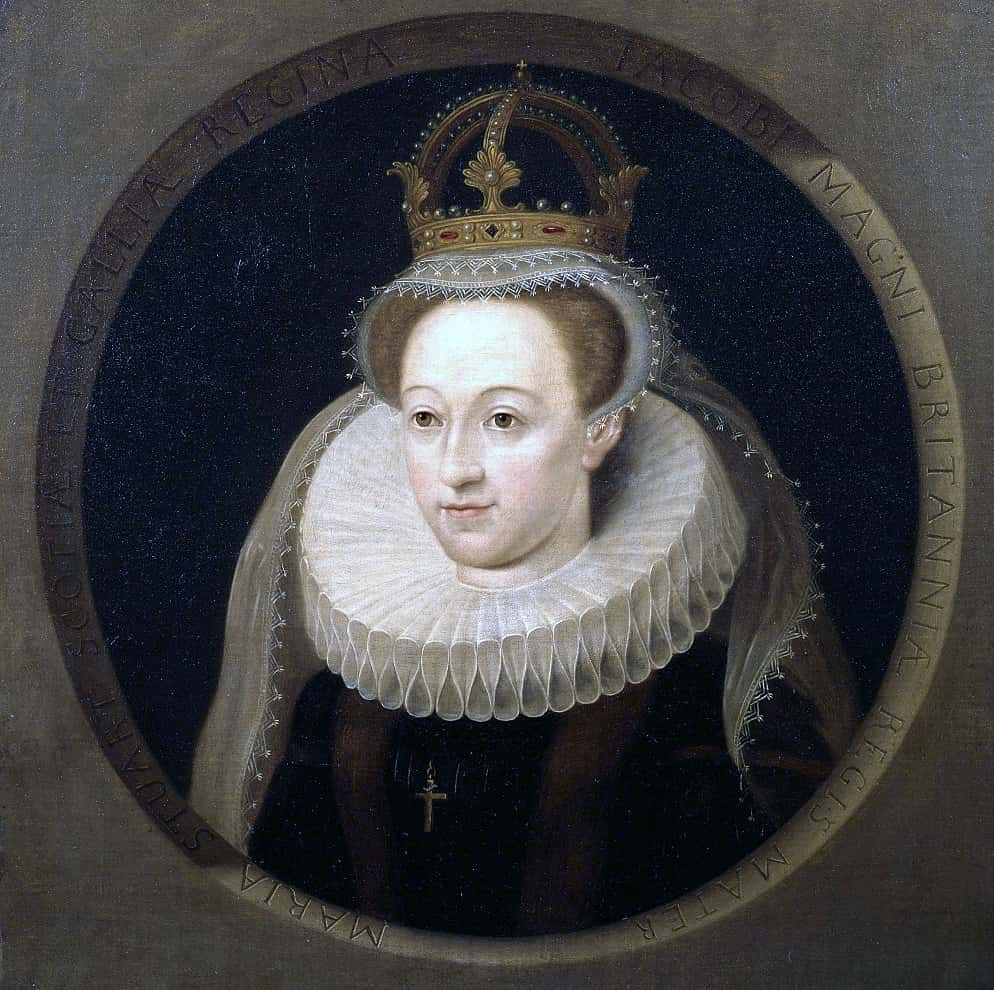
Mary, Queen of Scots
What The Queen Of Scots Really Looked Like
Professor Caroline Wilkinson of Dundee University combined drawings and paintings to construct a 3D portrait of Mary, Queen of Scots. Wilkinson also used biographical information to prevent highly idealized portrayals in her artwork. The Queen of Scots is shown in this artwork in a similar manner to how she was depicted in her famous paintings, although there are some differences. Mary’s nose, on the other hand, is the feature that has remained the most faithful to the original.
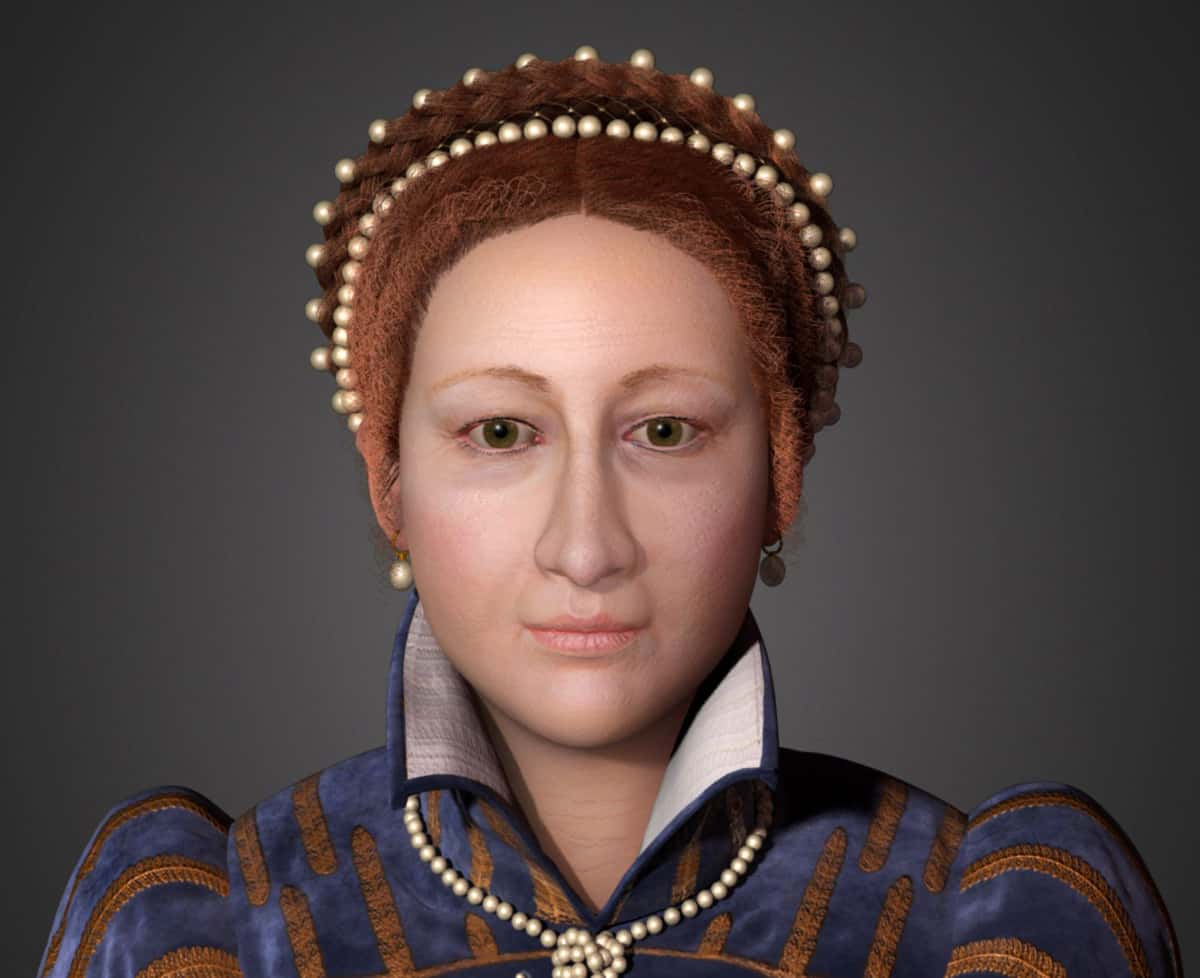
What The Queen Of Scots Really Looked Like
Richard III
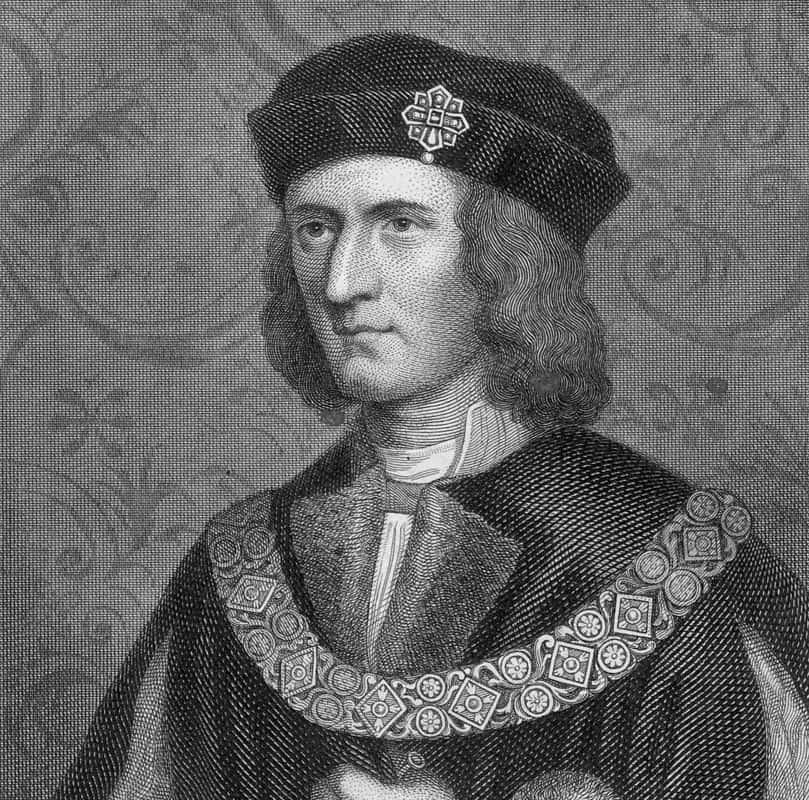
King Richard III ruled England for two years (1483-1485), but his reputation has deteriorated through time. He was said to as a tyrant. The Tudors supplanted him in Shakespeare’s play and in the end. Richard III bravely led a charge into Henry Tudor’s troops during the Battle of Bosworth Field in 1485. That move resulted in his clan’s rapid downfall!
Richard III
What Richard III Really Looked Like
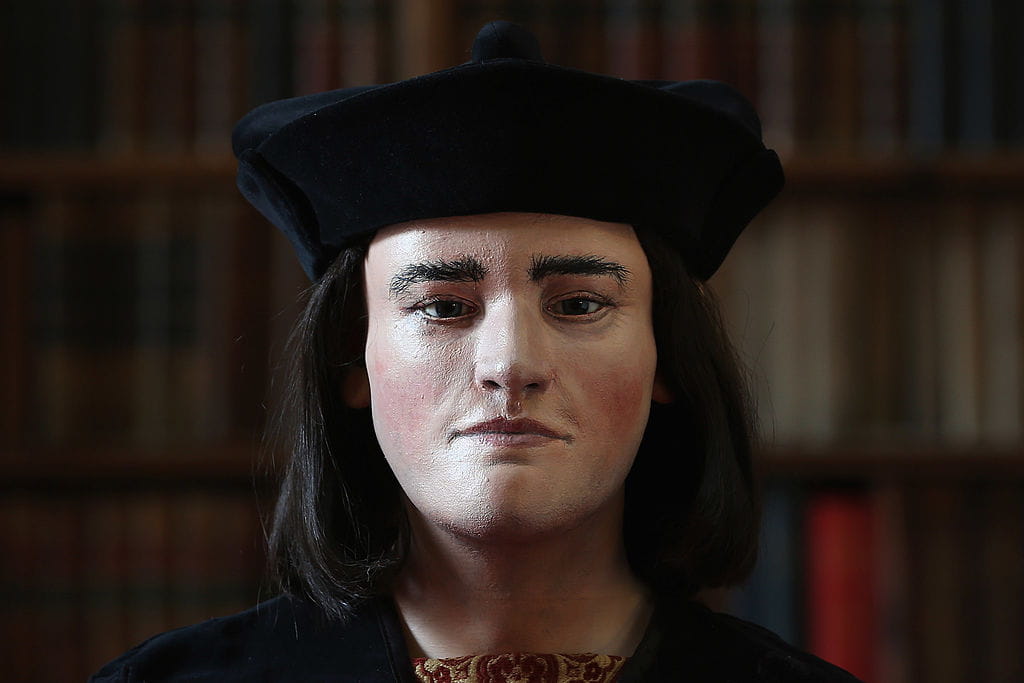
Since Richard III’s body was lost after his death, it was only in 2012 that this image of him could be recreated. In 2012, a group of researchers followed signs that led them to the underground parking lot where they discovered and exhumed his body. This image, which shows what Richard would have looked like while he was alive, was created with the cooperation of many Dundee University students. Researchers had to rely on historical documents because there are no accurate paintings of him.
What Richard III Really Looked Like
Meritamun
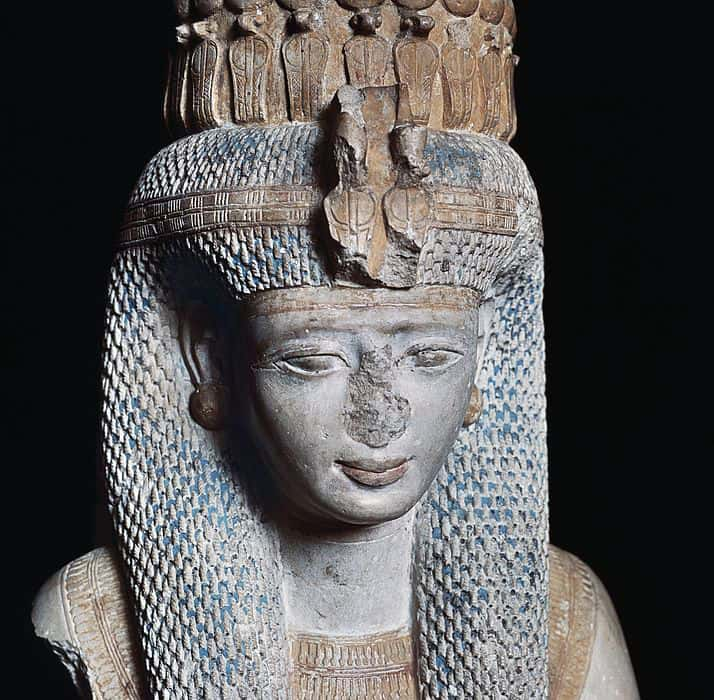
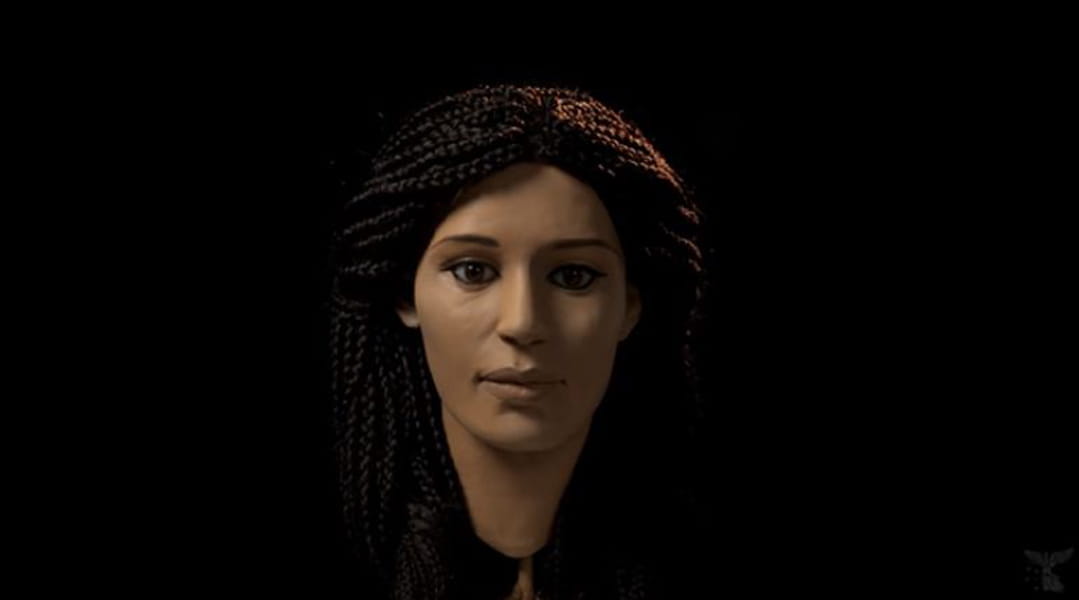
Meritamun literally means “beloved of the god Amun.” When researchers from the University of Melbourne went through their archives and located her skull, they introduced us to this queen. Her origins were in ancient Egypt, therefore how her skull made its way around the world remains a mystery. She was one of Pharaoh Ramesses the Great’s Great Royal Wives, and she was buried at Egypt’s Valley of the Queens.
Meritamun
What Meritamun Really Looked Like
Researchers were unable to learn much about Meritamun because they only had her skull, but they were able to learn some details, such as the former queen’s age at the time of her death. She was assumed to be between the ages of 18 and 25, however, the cause of her death is unknown. Because of her tooth deterioration, they discovered that she may have had a sweet tooth. It’s not surprising, given that Alexander the Great introduced sugar to Egypt about the time she was born.
What Meritamun Really Looked Like
Jesus Christ
You’ve probably heard of Jesus Christ, the biblical figure who walked on water, changed water into wine, healed the blind, and rose from the grave. For the greater good, Jesus Christ gave up his life and was crucified on a cross. A few reconstructions of what Jesus looked like have been developed, however, it appears that the artists failed to capture Jesus’ actual character.
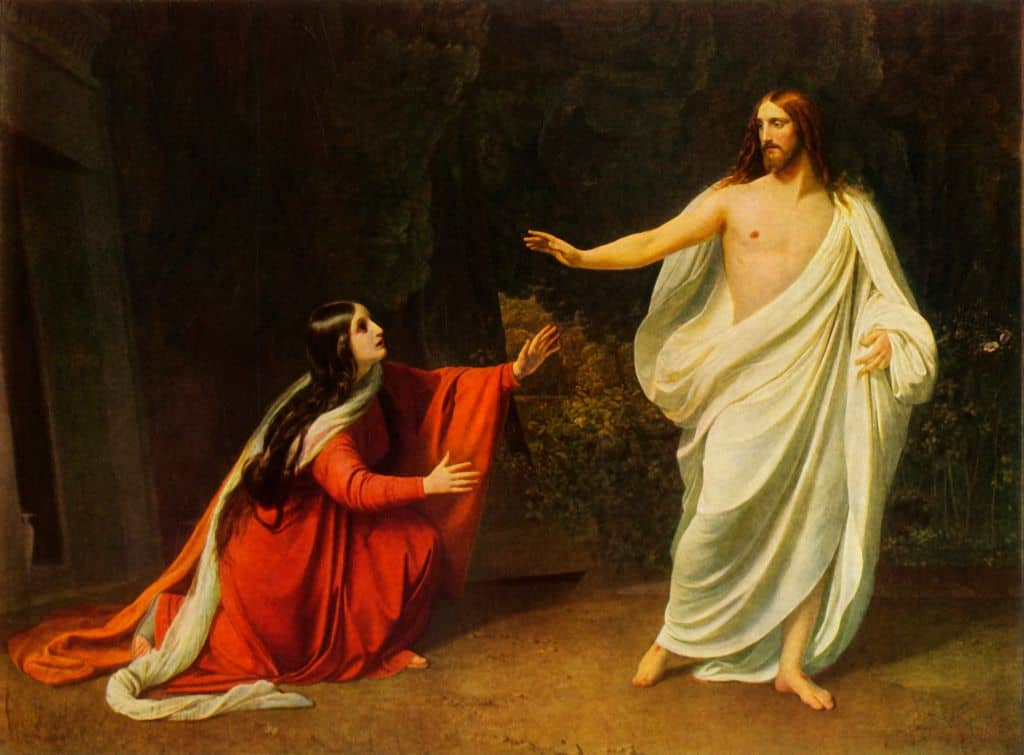
Jesus Christ
What The Real Jesus Christ Might Have Looked Like
The Bible doesn’t say much about Jesus’ physical appearance, and a lot of recent evidence suggests that he doesn’t look like how people have portrayed him throughout history. There are no bone remains or body parts that could include Jesus Christ’s DNA, thus forensic anthropology was used instead. The team of Israeli archeologists and British scientists who developed this image employed procedures that are routinely used in crime-solving. Do you believe this is how Jesus looked while he was alive?
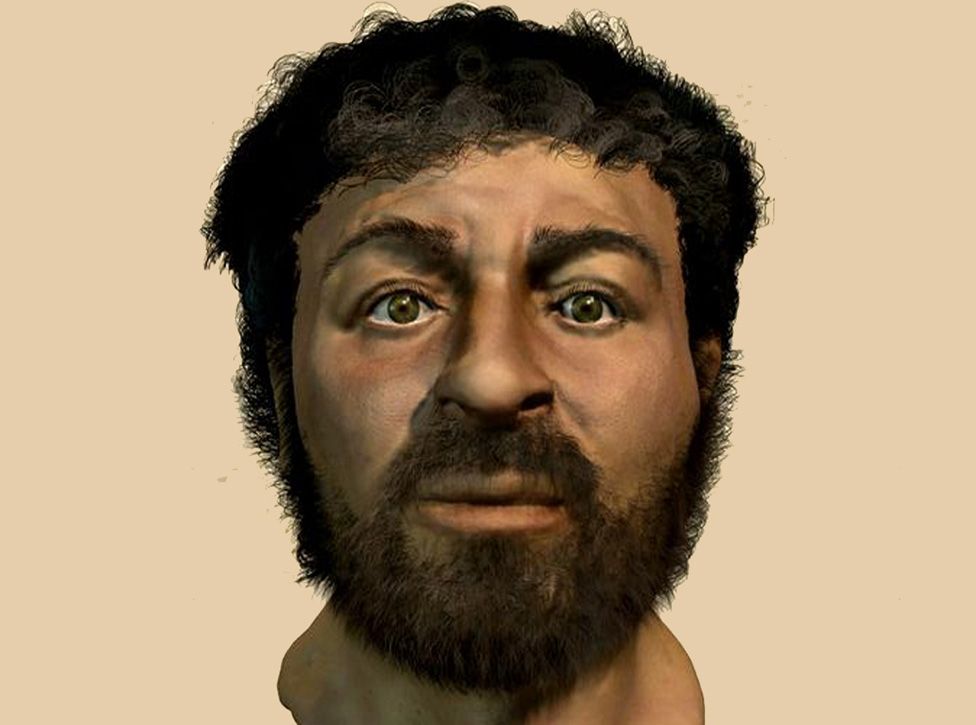
What The Real Jesus Christ Might Have Looked Like
The Lord Of Sipan
If you’re unfamiliar with The Lord of Sipan, he was the first of a series of discoveries known as the Moche mummies. He was first discovered by archaeologists in Peru in 1987. This is one of the most important discoveries of the twentieth century, and there were many treasures buried with the Lord of Sipan’s body, similar to King Tut’s. We’re sure you’re curious about how this historical character was re-created by professionals.

The Lord Of Sipan
What The Lord Of Sipan Really Looked Like
The forensic team had their work cut out for them, especially because the pressure from the mud shattered the skull during the excavation. Thankfully, modern technology aided in the repair of a damaged skull’s 96 different components. In order to reconfigure the skull, the scientists employed photogrammetry (a procedure that uses cameras set up at different angles to create a 3D image). The Brazilian Team of Forensic Anthropology and Forensic Odontology created this photograph.

What The Lord Of Sipan Really Looked Like
Saint Anthony
In the year 1195, Saint Anthony was born in Portugal. He died young, at the age of 36, but his extraordinary ability to heal left a lasting impression on those who knew him. Saint Anthony is adored by the Catholic Church since he was canonized as a saint very rapidly, the second-fastest in history. He was designated the saint of lost objects by the church only a year after his death.
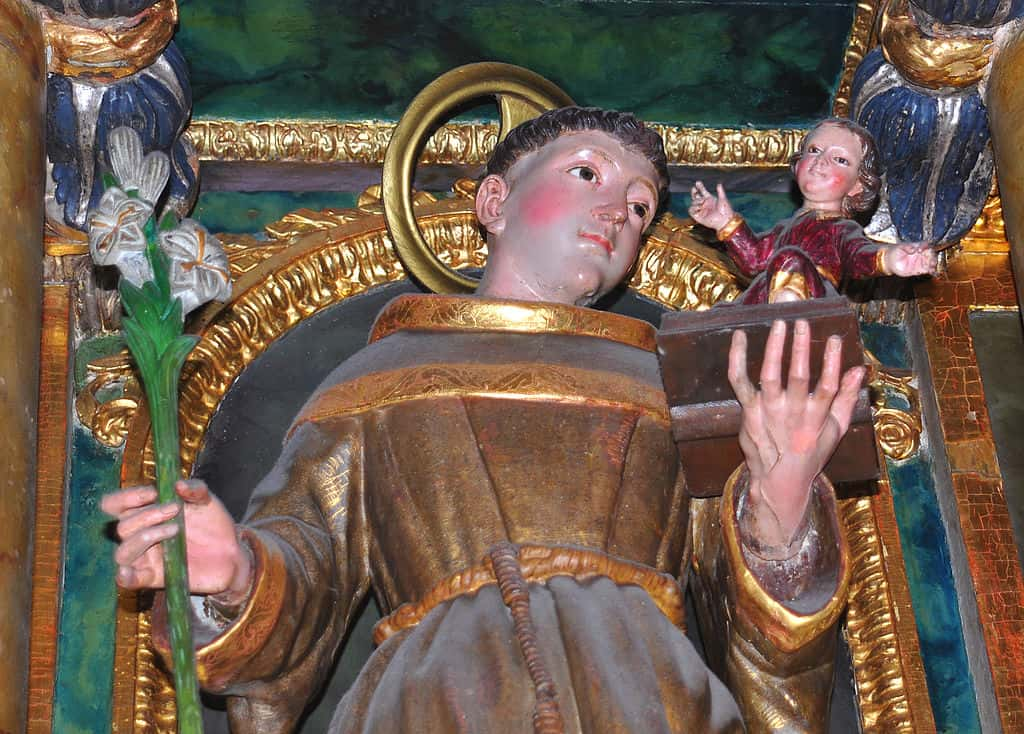
Saint Anthony
What Saint Anthony Really Looked Like
When Saint Anthony died, it is believed that children grieved in the streets, and bells sounded on their own. Three decades after his death, his body was unearthed, but the researchers had just his tongue and jawbone to assist them. Researchers from the University of St. Anthony of Padua’s Anthropology Museum collaborated on this reproduction of Saint Anthony’s true face, as did a 3-D designer from the University of Sao Paolo.
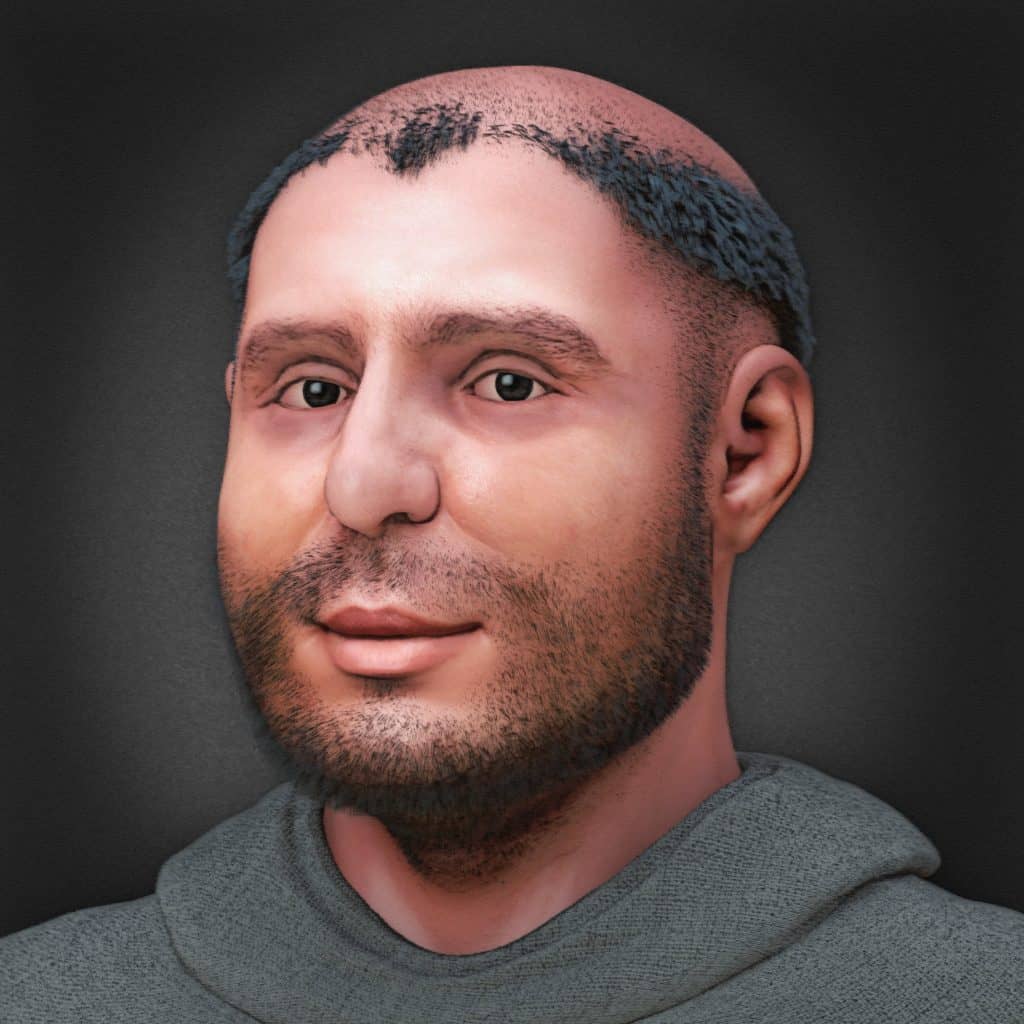
What Saint Anthony Really Looked Like
King Henry IV
King Henry IV is regarded as “Henry the Great” or “Good King Henry,” yet some consider his reign to be remarkable because of how it began. He became King of Navarre when he was 19 years old, and he married two months later. As they celebrated, Protestants swarmed the city, only to be met with the “St. Bartholomew’s Day Massacre.” King Henry IV narrowly escaped death and was forced to serve in the French Court.
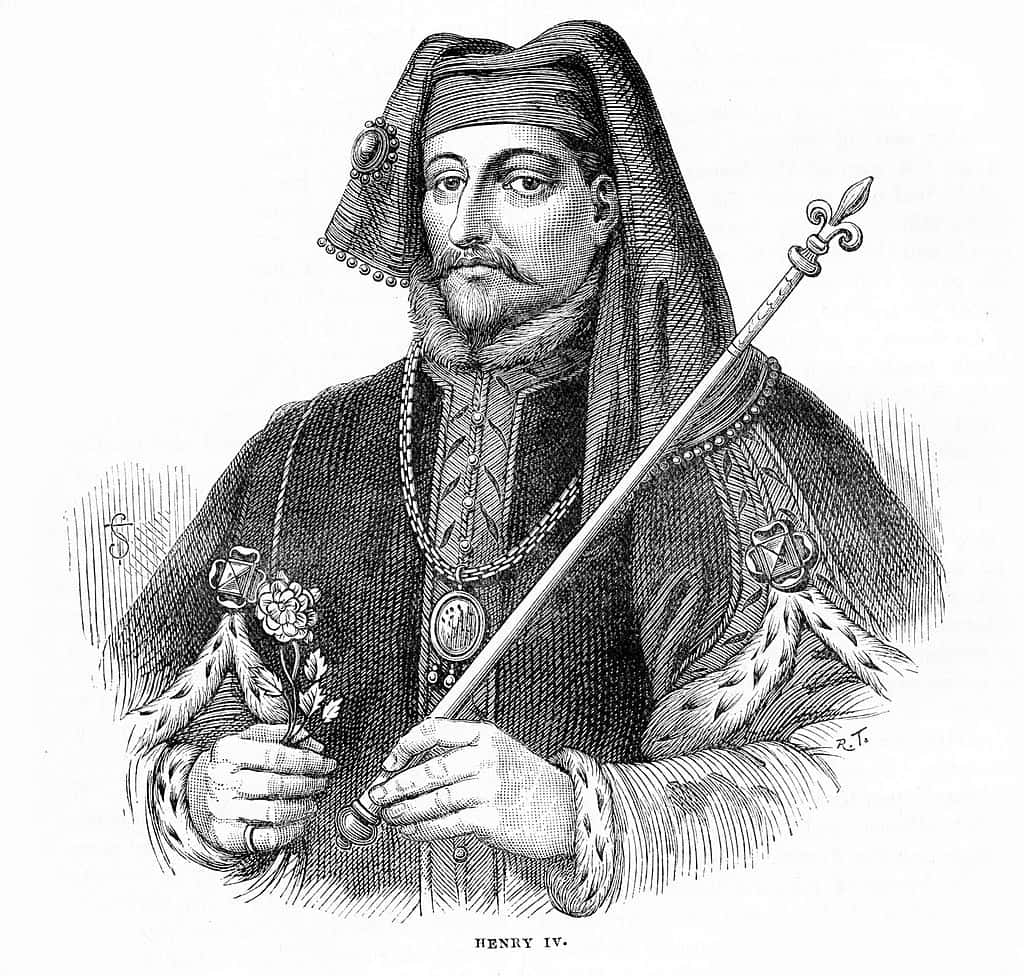
King Henry IV
What King Henry IV Really Looked Like
During his lifetime, the Good King is reported to have survived a total of 12 assassination attempts. Because of his religious tolerance, researchers decided to replicate him. The same team that worked on Robespierre is behind this project: facial reconstruction specialist Philippe Froesch and forensic pathologist Philippe Charlier. The Good King, unfortunately, did not survive the 13th assassination attempt. A Catholic guy stabbed him with a dagger in 1610.
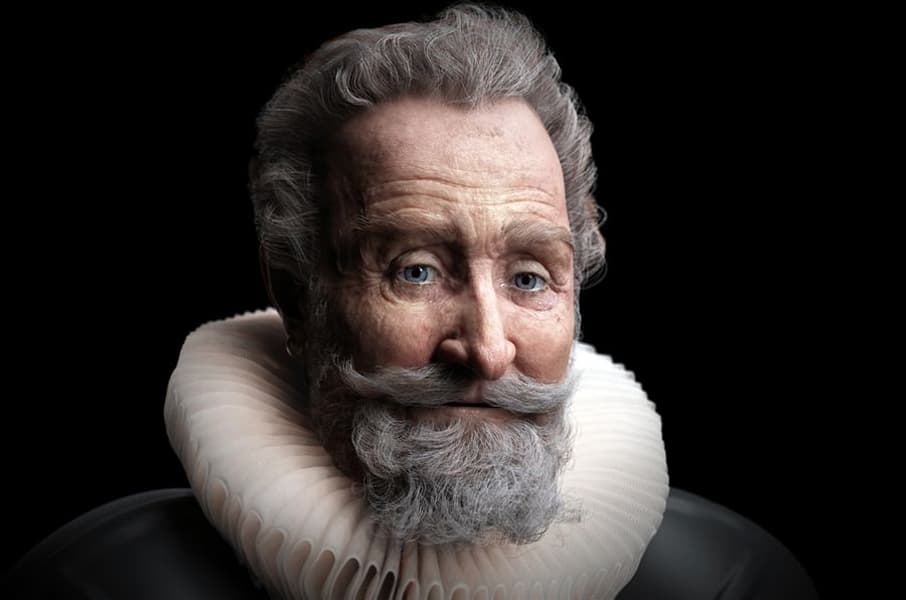
What King Henry IV Really Looked Like
Johann Sebastian Bach
Johann Sebastian Bach, who was born in Germany in 1685 and had a musical background, was recognized as a renowned musician in his day. However, history will tell you that he is one of the greatest composers of all time and was a product of the golden age of music. He was already regarded as a musical prodigy when it came to the organ as a child, yet he primarily composed music for the church. Few composers can compare to Bach in terms of accomplishments, according to many.
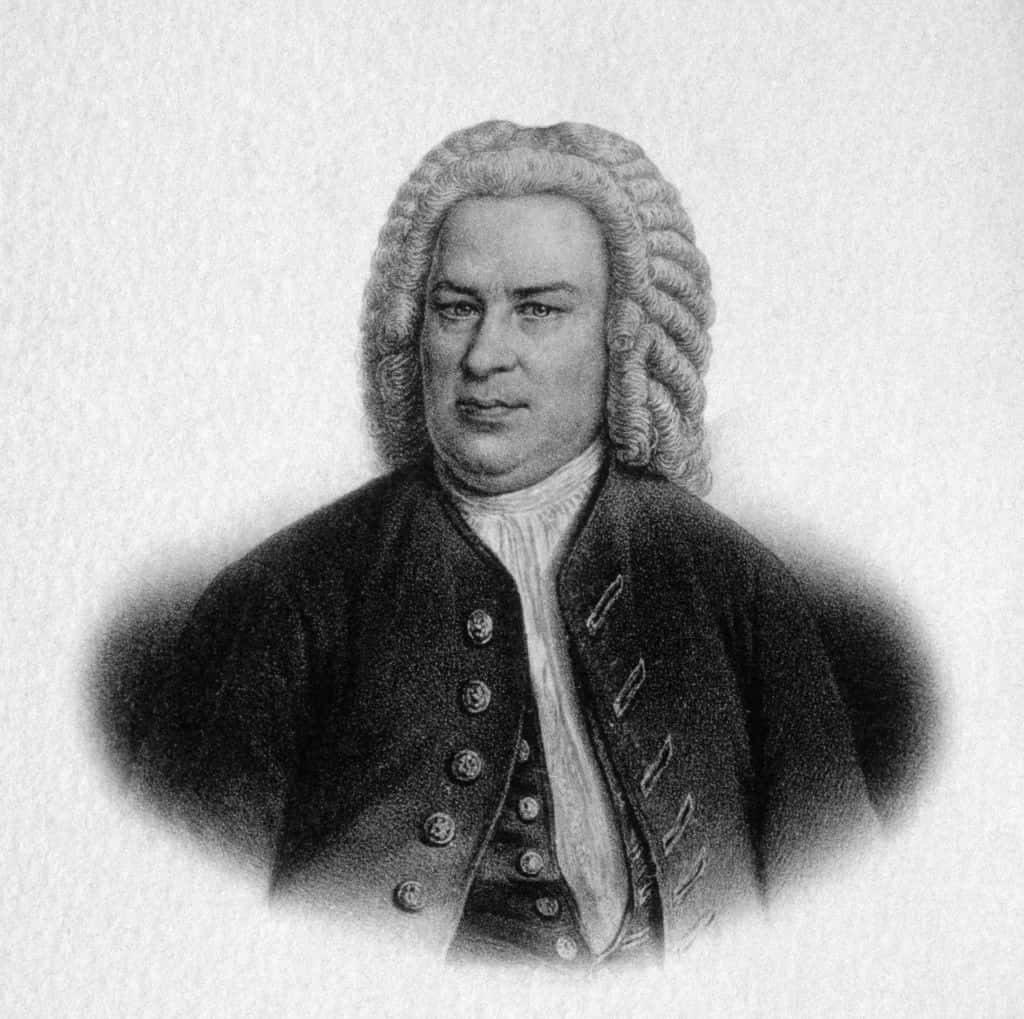
Johann Sebastian Bach
What Bach Really Looked Like
Dr. Caroline Wilkinson of Dundee University utilized a cast of the skull she thought was Bach’s to rebuild him. Actually, the brilliant composer was buried in an unmarked grave that was almost lost to history. Renovations were needed at the church where Bach was laid to rest a century and a half later, which provided an excellent opportunity to locate him. They were able to locate a skull that was assumed to be the composer’s and used it to make this image.
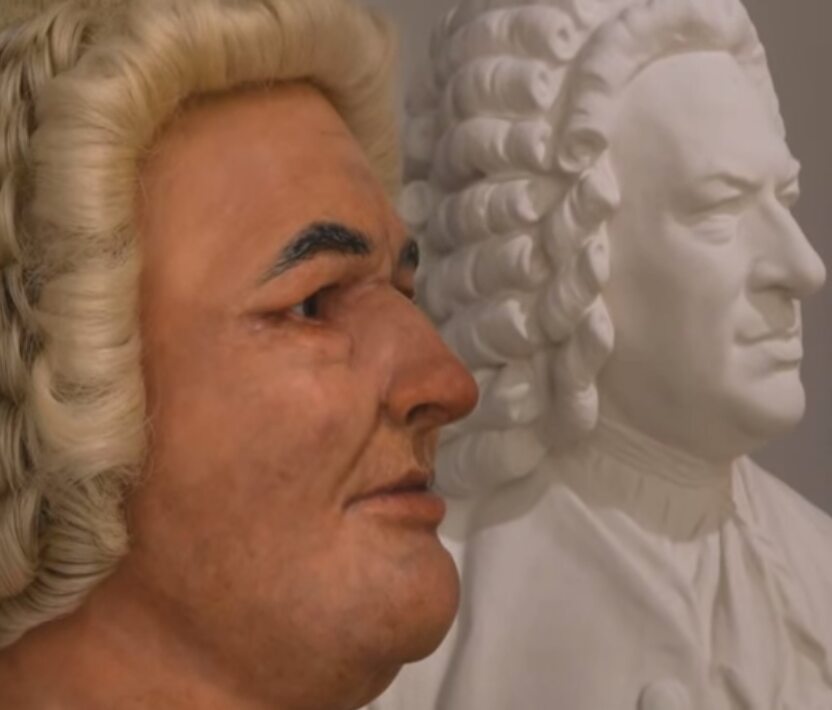
What Bach Really Looked Like
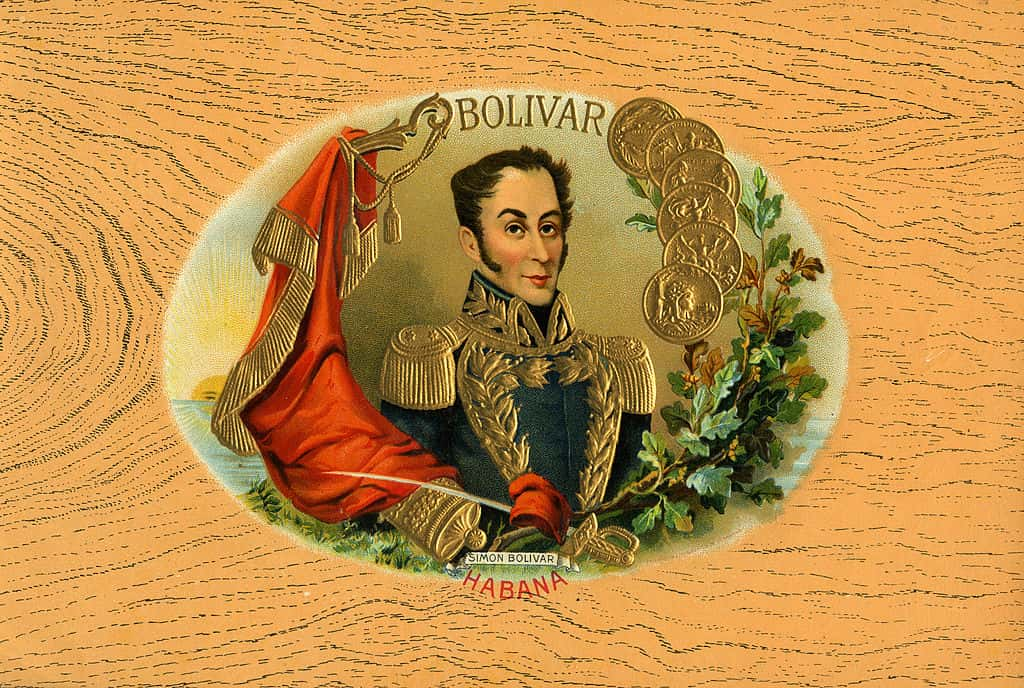
Simón Bolívar
Simón Bolivar, a Venezuelan military captain and one of the world’s most powerful figures, was a key figure in the country’s revolution against the Spanish Empire. He was born into a wealthy family and was sent to Spain to study, eventually joining the resistance movement. Following France’s invasion of Spain, he was dubbed “El Libertador,” which means “The Liberator” in English. He died of TB, an illness he contracted as a result of a different kind of war.
Simón Bolívar
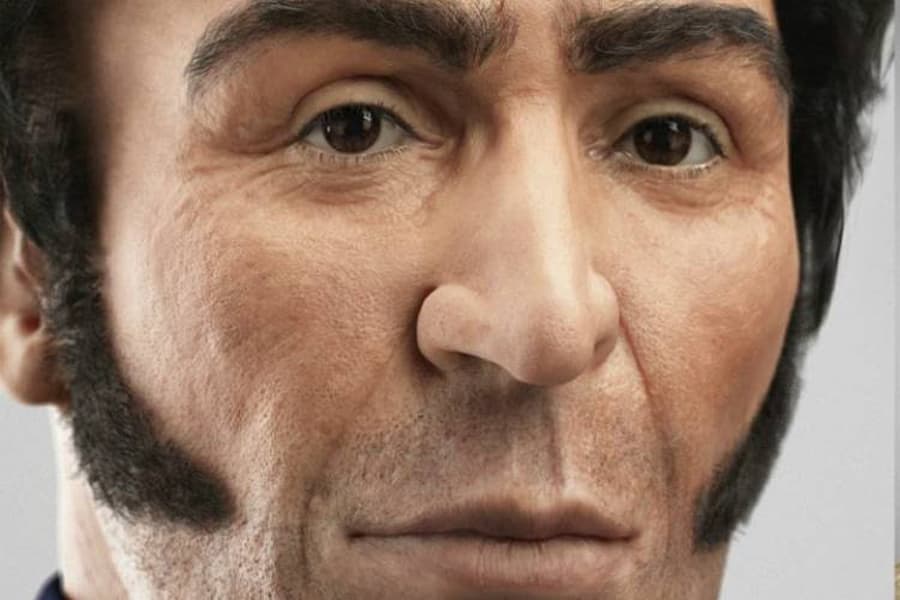
What Simón Bolívar Really Looked Like
We wouldn’t be surprised if you assumed this image was based on a real person because appearances may be deceiving. With a little aid from the Venezuelan government, a forensic imaging team spent a year poring over historical records. The crew was able to construct this – a legendary representation of Simón Bolvar — after extensive investigation. Many people think he’s incredibly attractive, something you probably wouldn’t notice if you looked at paintings of him.
What Simón Bolívar Really Looked Like
Nicolaus Copernicus
There was a period when people thought the Earth was the center of the cosmos, but Nicolaus Copernicus’s thesis clarified matters. Copernicus, who was born in 1473, created a concept of a sun-centered solar system that has stood the test of time. He was born in Poland, but his intellect took him all around Europe throughout his life. Unfortunately, he isn’t alive today, because someone needs to tell those who believe the Earth is flat that they are mistaken.

Nicolaus Copernicus
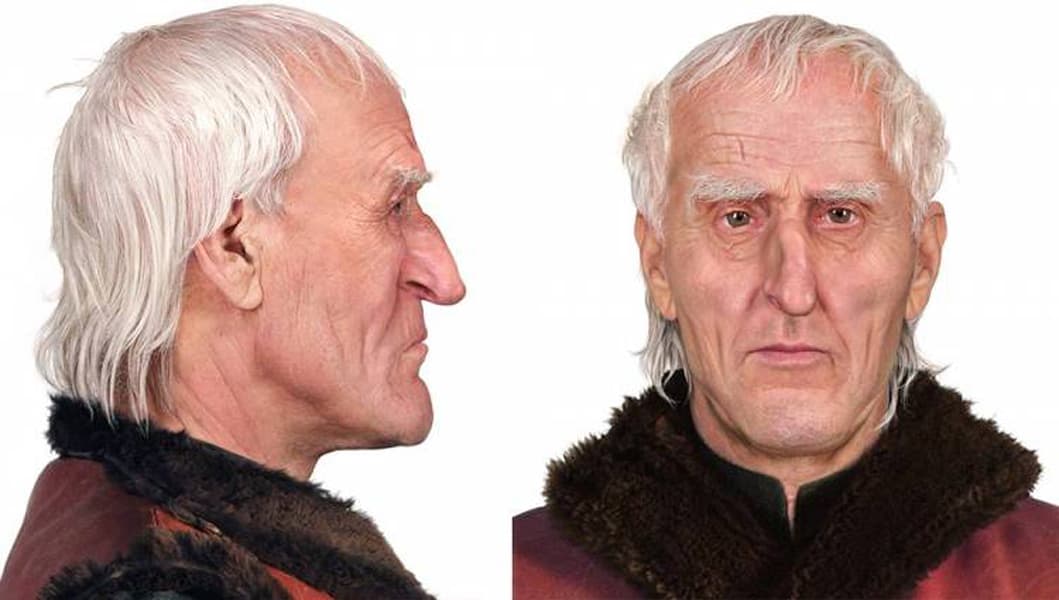
What Nicolaus Copernicus Really Looked Like
Nicolaus Copernicus is shown as gaunt and withered in old paintings, which do not do him justice. It’s only natural that as technology advances, someone will create a more accurate depiction of the man who first opened our eyes to the truth about the cosmos. Even in this new depiction, he appears to be in a bad mood. Some may argue that talent comes at a price, and Oscar Wilde once said that the ugly and foolish have the finest lives.
What Nicolaus Copernicus Really Looked Like
The Lady of Cao
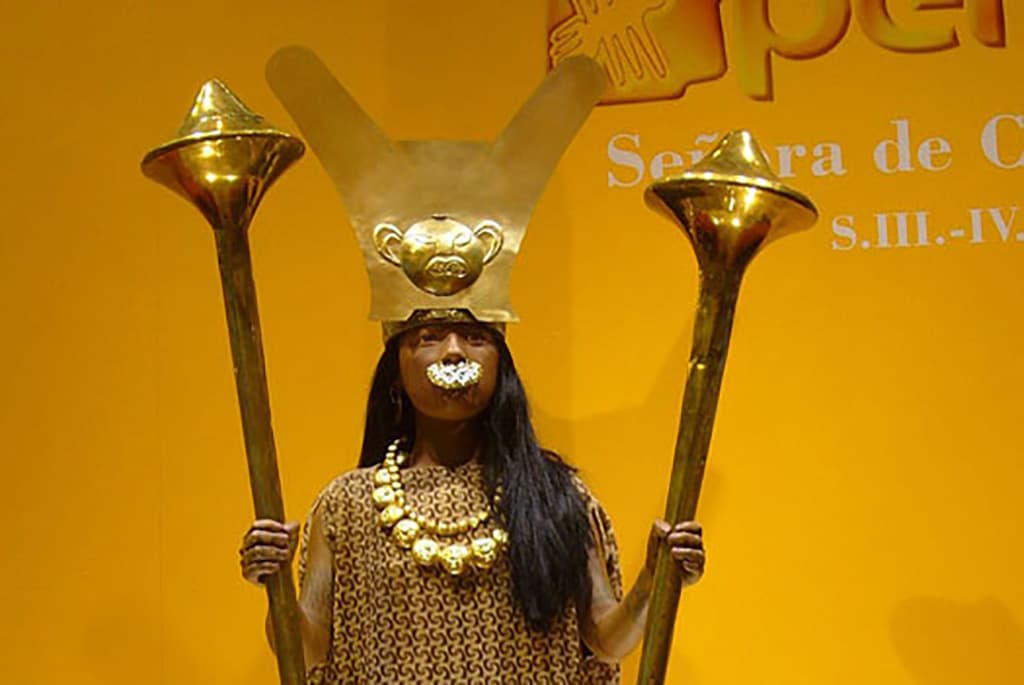
Researchers had been digging Peru’s El Brujo region since around 1990, but it wasn’t until 2005 that they discovered a mummy they christened Lady of Cao. Her death was thought to have occurred in the year 400, and she was dressed in a modest fabric. Experts believe she was a descendant of the Moche, who lived thousands of years before the Incas. She was mummified and buried with different treasures, implying that she was a member of the elite.
The Lady of Cao
What The Lady Of Cao Really Looked Like
Her remains were moved to an El Brujo museum not long after the Lady of Cao was discovered, where she is maintained in a climate-controlled room. She can only be seen through a piece of glass. Though she was forensically revived, it is still unknown what her true position in society was, but she is thought to have died in her late twenties. She was buried with a variety of things and was maybe a human sacrifice.

What The Lady Of Cao Really Looked Like
St. Nicholas
Saint Nikolaos of Myra, or St. Nicholas as he is more commonly known, was a Bishop from Turkey in the fourth century who had a reputation for being exceptionally charitable and a general caregiver to others. He is said to have left gifts in the shoes of youngsters who had left their shoes outdoors, thereby beginning the Christmas holiday tradition that we know today. Although St. Nicholas was a real person, his legend far outstripped his fame.
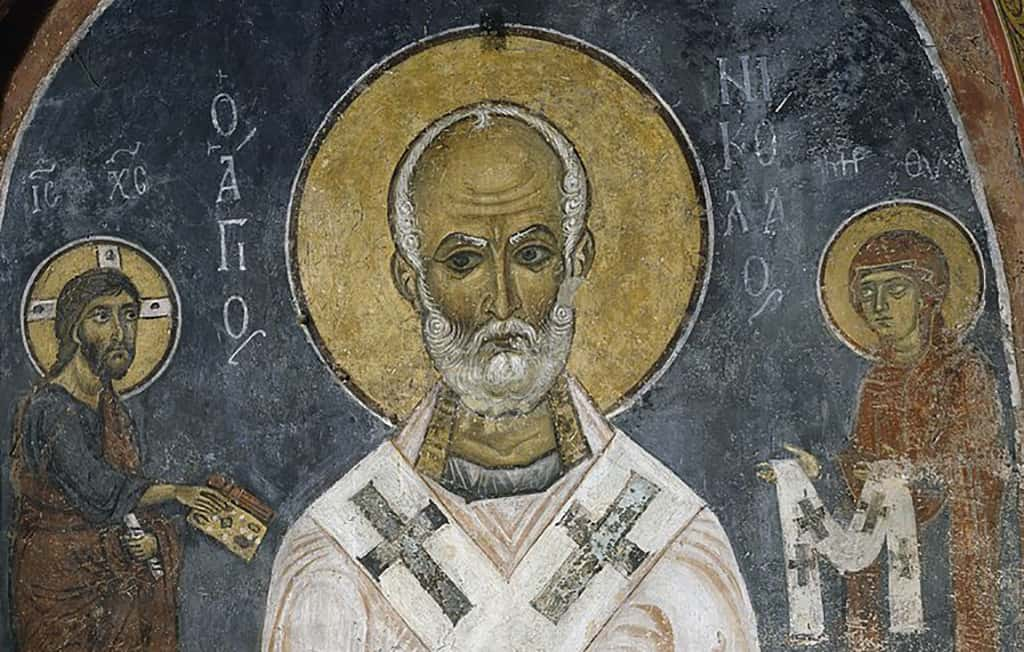
St. Nicholas
What St. Nicholas Really Looked Like
Although St. Nicholas has been turned into the modern-day Santa Claus, the attributes of the man in the sleigh are far from accurate. St. Nicholas’ complexion would have been darker and his facial features more Middle Eastern if he had been born in Turkey. People in the West have a tendency to presume historical figures were white, just like them. The historical figures, on the other hand, appeared to be people from the locations in which they lived.
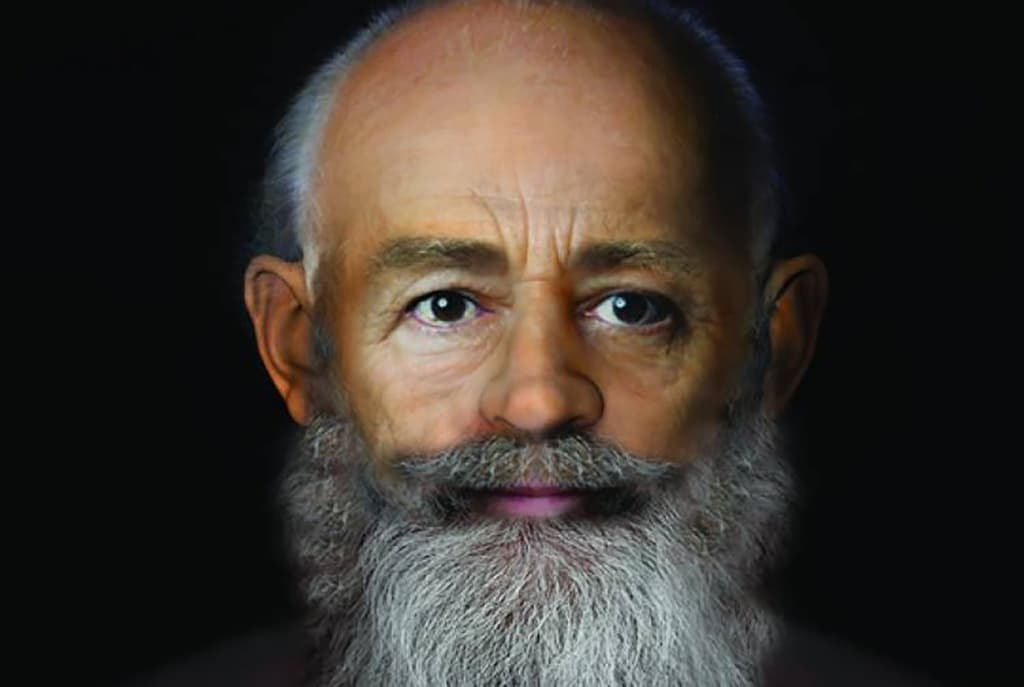
What St. Nicholas Really Looked Like
Giovanni Battista Sidotti
Giovanni Battista Sidotti, born in 1668, was an Apostolic missionary who traveled to Japan to spread Christianity, which was highly risky at the time. When he arrived, he attempted but failed to disguise himself as a Samurai. He was then kidnapped and imprisoned by the Japanese until his death in 1714. He is known as “the last missionary” and a Christian martyr for his actions.
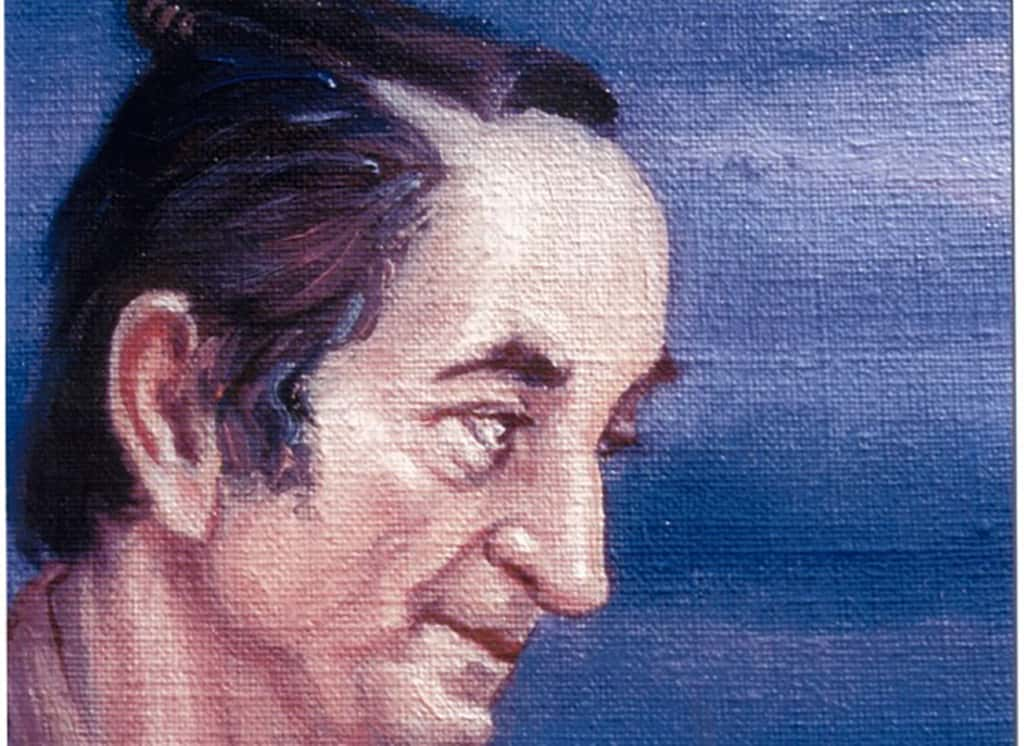
Giovanni Battista Sidotti
What Giovanni Battista Sidotti Really Looked Like
In comparison to other historical personalities whose remains have been discovered, Giovanni Battista Sidotti’s remains were found quite undamaged. In 2014, his body was uncovered during a 2 million yen excavation project. His remnants made it much easier to create a more accurate portrait of the man. Although his skull had been shattered, the forensic anthropologists had everything they needed to complete their work, and this image, according to them, is remarkably similar to what he would have looked like.
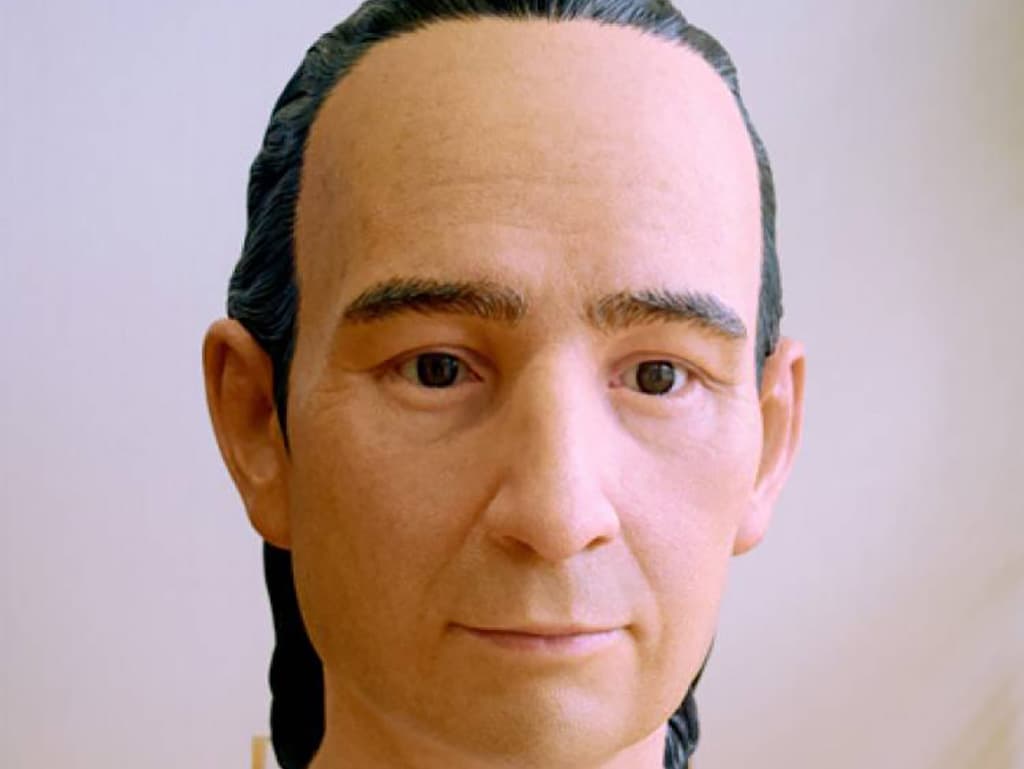
What Giovanni Battista Sidotti Really Looked Like
The Mycenean “Griffin Warrior”
Excavation on a burial site identified in 2015 that dates back to 1450 BC or the Bronze Age was completed. Archaeologists discovered the remains of a male skeleton that was remarkably undamaged, as well as 14,000 artifacts such as weapons and jewelry, within the tomb. An engraving was also discovered in the grave, presumably revealing the identity of the man. The identity of the guy is unclear, but he could have been a Mycenaean priest or warrior.
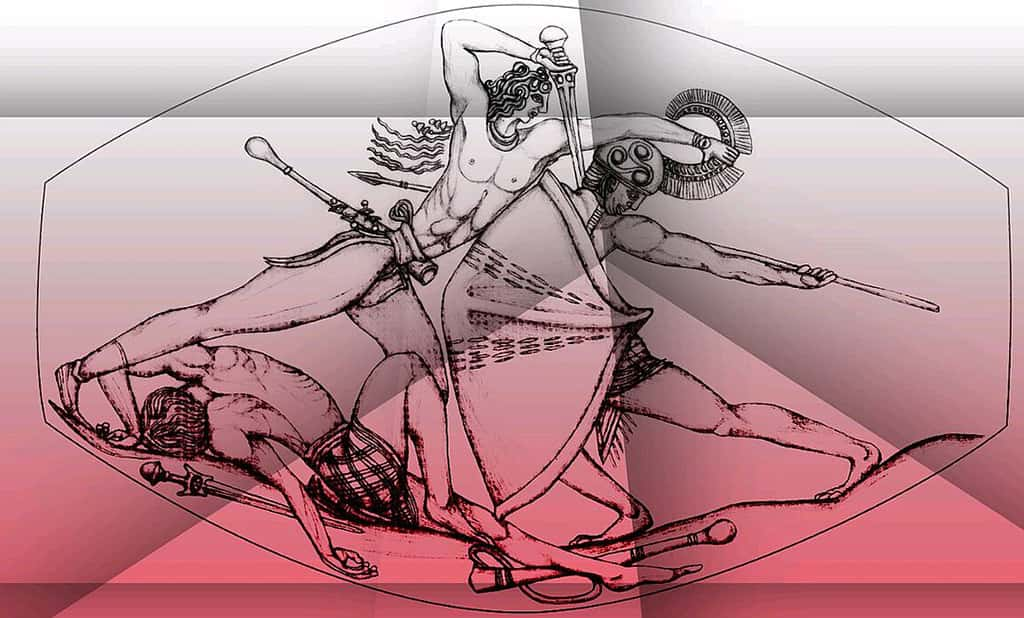
The Mycenean “Griffin Warrior”
What The Mycenean “Griffin Warrior” Might Have Looked Like
The man was believed to be about five foot five inches tall based on the remains unearthed, which would have been considered tall at the time. Furthermore, the Griffin Warrior was considered to have had long hair based on the combs unearthed in the tomb. The skull was utilized by physical anthropologists Tobias Houlton and Lynne Schepartz of the University of the Witwatersrand to generate a digital representation of the man’s face. The individual was determined to have close-set eyes and a prominent jaw.
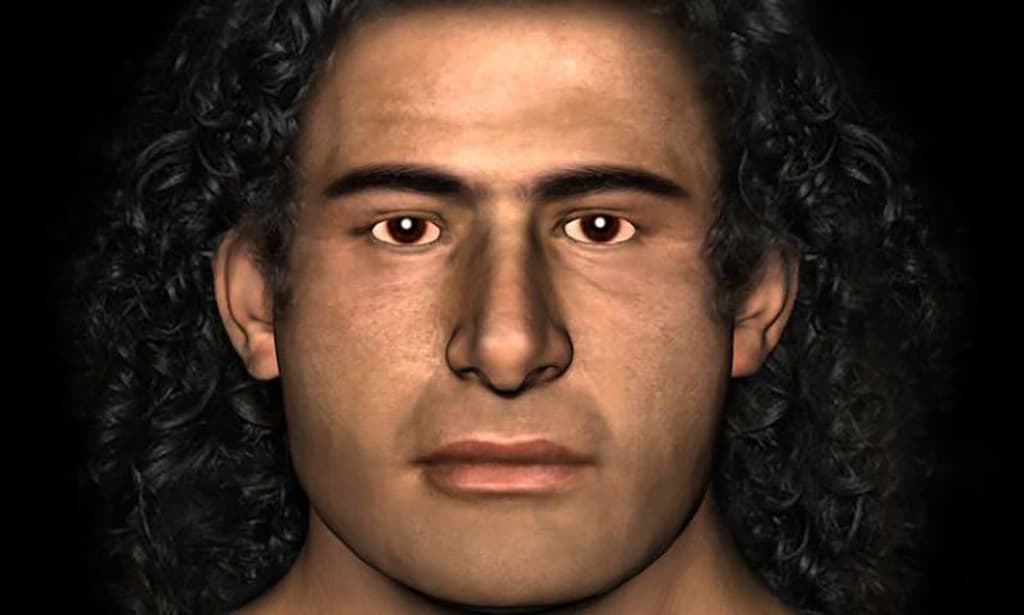
What The Mycenean “Griffin Warrior” Might Have Looked Like
Dante Alighieri
Dante Alighieri is well known for The Divine Comedy and is regarded as one of Italy’s most important poets of the Late Middle Ages. The Divine Comedy is essentially a portrayal of many different aspects of Hell and Heaven, many of which are now accepted Christian beliefs. Apart from poetry, Dante Alighieri is a well-known philosopher whose thoughts are still relevant today. He died in 1321 at the age of 56, which was a relatively advanced age in his day.
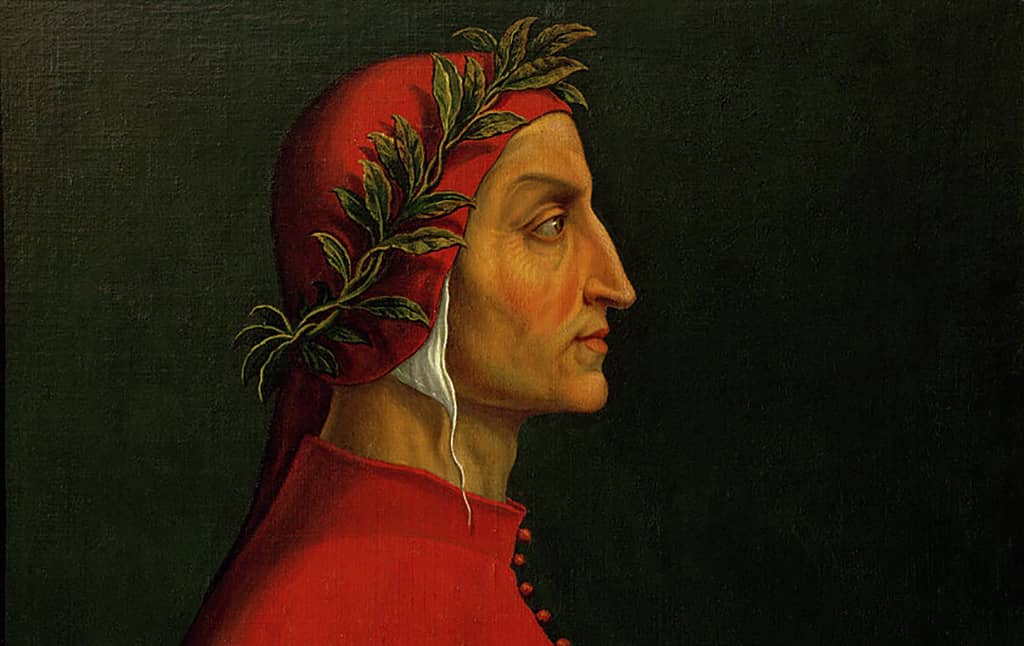
Dante Alighieri
What Dante Alighieri Really Looked Like
Many of the images of Dante Alighieri are quite similar, suggesting that most people agreed on his likeness. This aided in the creation of his CGI portrayal, which has the same hooked nose and stern countenance as many renderings of him. This was constructed by measuring his skull, which was discovered in 1920. This version of him has larger eyes, a softer facial expression, and a more rounded jaw than his pictures.
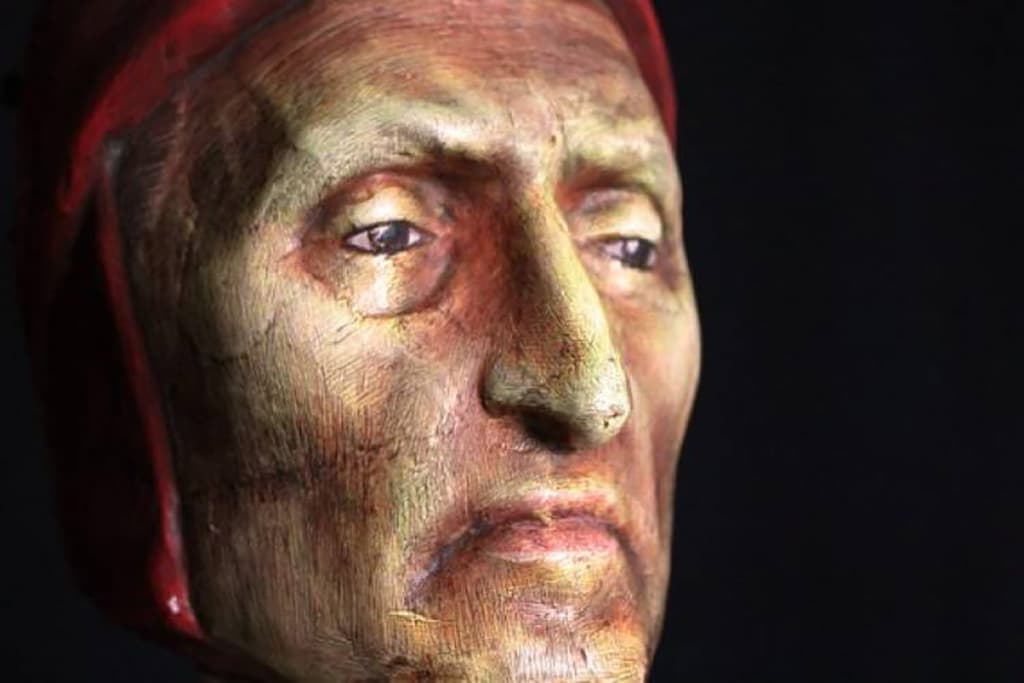
What Dante Alighieri Really Looked Like
Maximilien Robespierre
Maximilien Robespierre, a notable politician linked with the French Revolution, was a French lawyer. He was an outspoken supporter of universal manhood suffrage, religious tolerance, celibacy abolition, and the abolition of slavery in the French colonies. He was a key figure in the founding of the First French Republic and was elected to the National Convention as a delegate. He is well remembered for his role as a prominent figure in France’s “Reign of Terror.” Researchers employed cutting-edge technology to figure out what the French politician looked like in real life.
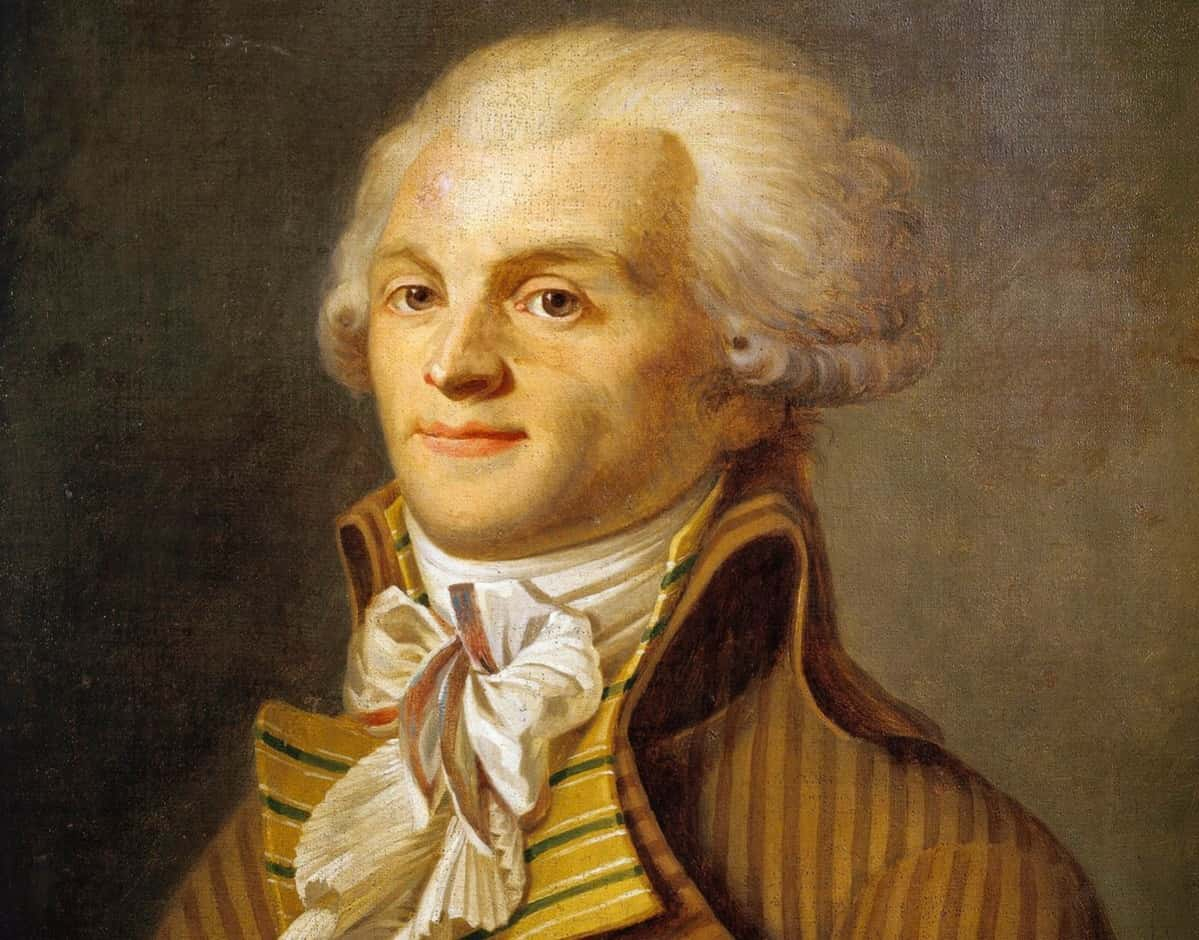
Maximilien Robespierre
What Maximilien Robespierre Really Looked Like
In 2013, forensic doctor Philippe Charlier and facial reconstruction specialist Philippe Froesch collaborated to create a depiction of the face of the French Revolution’s poster boy. They used Robespierre’s death mask, which was supposed to have been fashioned by Madame Tussaud herself, in addition to his artwork (designed to flatter him). Robespierre’s beheaded head was used to create the mask. On July 28, 1794, Robespierre was put to death.
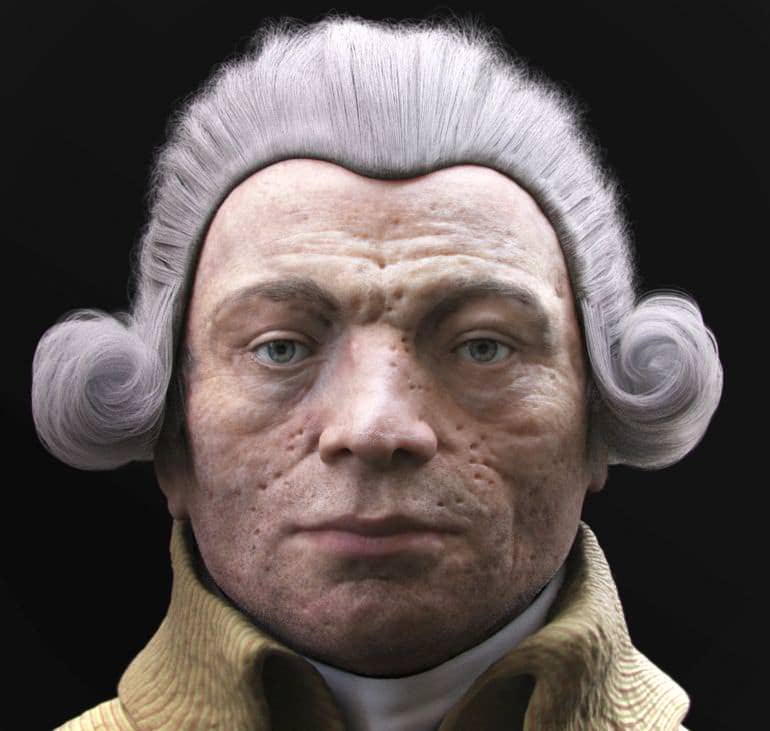
What Maximilien Robespierre Really Looked Like